Where does warehouse racking actually corrode, and why does it matter?
Racking is structural steel carrying tonnage, so section loss is a safety event rather than an appearance issue. Corrosion concentrates in five places:
1. Column base plates and floor anchors, where wash-down water and de-icing salt pool. 2. Forklift impact points on uprights and column protectors, where paint chips expose bare steel. 3. Beam-to-column connectors, where relative movement frets the coating away. 4. Cold store and freezer uprights, where condensation cycles attack steel continuously. 5. Bay areas under sprinkler lines, roof leaks, and chemical or food-wash residue.
RMI guidance and ANSI MH16.1 treat racking as an engineered structure: regular inspection, defined damage tolerance, and documented action. Corrosion that reduces a column section is exactly the condition the inspection regime exists to catch.
What must never be painted on a rack system?
Several items on racking carry information or function that a coating destroys:
- Load capacity plaque: the rated capacity label is a safety document. ANSI MH16.1 requires it to stay legible and in place. Painting over it or replacing it with a colour-coded panel removes the one piece of information an operator or inspector needs. - Inspection tags and quarantine markings: damaged racking is often tagged and taken out of service. Repainting over that tag can put a damaged bay back into use. - Crack and damage indications: paint over a bent upright, a deflected beam, or a weld crack and the finding disappears. - Beam safety clips and connector interfaces: keep them clean and functional, and never build film thickness inside a bolted or hooked connection.
Paint cosmetics last. Inspect, tag, then coat the steel that is fit to stay in service.
Which coating system is right for rack steel?
Original racking finishes are powder coat, which you cannot replicate in the aisle. The field system that works:
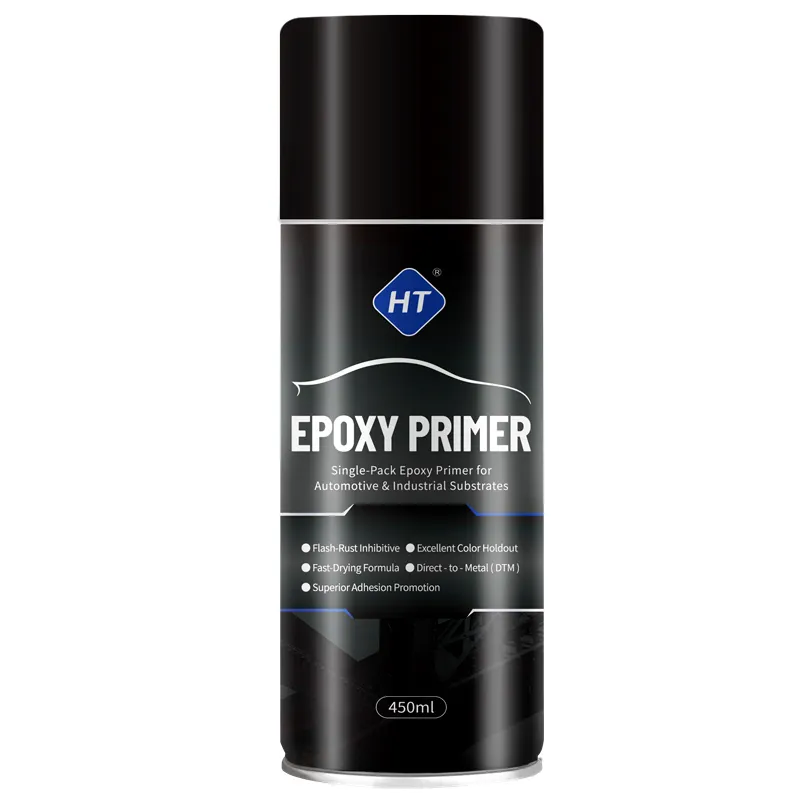
- Primer: epoxy on bare or rusted steel. HT-031 Epoxy Primer delivers adhesion and barrier protection at column base plates, impact points, and connector areas. - Topcoat: high-hardness acrylic-enamel or polyurethane. HT-027 High-Hardness Spray Paint resists forklift abrasion, wash-down chemicals, and cleaning agents. - Zinc-rich cold galvanising: for base plates and anchor areas in wet, salted, or wash-down environments, where sacrificial protection matters more than a cosmetic finish. HT-017 Cold Galvanizing Spray is designed for that duty.
Keep films thin and even. A heavy coat inside a beam hook or on a bolted interface changes the fit and can blister under load cycling. Two light passes beat one heavy one, and the rack can go back into service faster.
How does the colour coding system work, and why does consistency matter?
Most operations use colour for more than looks:
- Capacity or size identification: uprights and beams are commonly colour-coded by capacity class or beam length, so a picker or inspector reads the structure at a glance. - Zone and area designation: colour separates picking, bulk, and quarantine areas. - Hazard marking: column protectors and low-level impact zones take yellow-black hazard striping, while floor aisle lines and pick faces use dedicated line marking paint such as HT-012.
When touch-up work drifts, the code stops working. A beam repainted in an approximate shade may read as a different capacity class, and mismatched bays look like unreported damage. Hold colour within a tight tolerance against a physical sample from the rack supplier, and document the code so a new maintenance technician does not invent their own.
How do you touch up racking without damaging the inspection record?
Sequence matters more than product on racking:
1. Inspect first, before any paint is opened. Record damage per bay, photograph it, and quarantine anything outside tolerance. 2. Clean thoroughly: degrease, neutralise wash-down or food-plant chemical residue, and remove flaking powder coat and loose rust. Food and beverage sites need a rinse stage before coating. 3. Abrade to a dull profile at impact points and base plates, then spot-prime bare steel. 4. Coat thin, avoiding plaques, tags, and connector interfaces. Mask them rather than trying to spray around them. 5. Cure before reloading: a loaded beam pressed against a wet film transfers paint and damages the coating you just applied.
Log every bay: date, location, product, batch, and photographs. That record is what an inspector, insurer, or customer audit will ask for.
What should a facilities or distributor buyer specify?
Racking touch-up is a repeat consumable with strict colour requirements:
- Colour matching to the rack manufacturer's palette, quoted as a delta E target and held across batches. - Primer and topcoat as a system, with dry film thickness per coat and adhesion data. - Zinc-rich repair capability for base plates and anchors in wet or salted environments. - Chemical resistance evidence for food, beverage, and cold store wash-down chemicals. - VOC compliance for the destination market, plus UN 1950 dangerous goods documentation for shipment. - Shelf life and date coding, so stock held in a maintenance cupboard does not expire between inspections.
For racking suppliers and warehouse equipment distributors, a colour-matched touch-up kit is a natural attachment to every racking project and an installed base that replenishes for years.