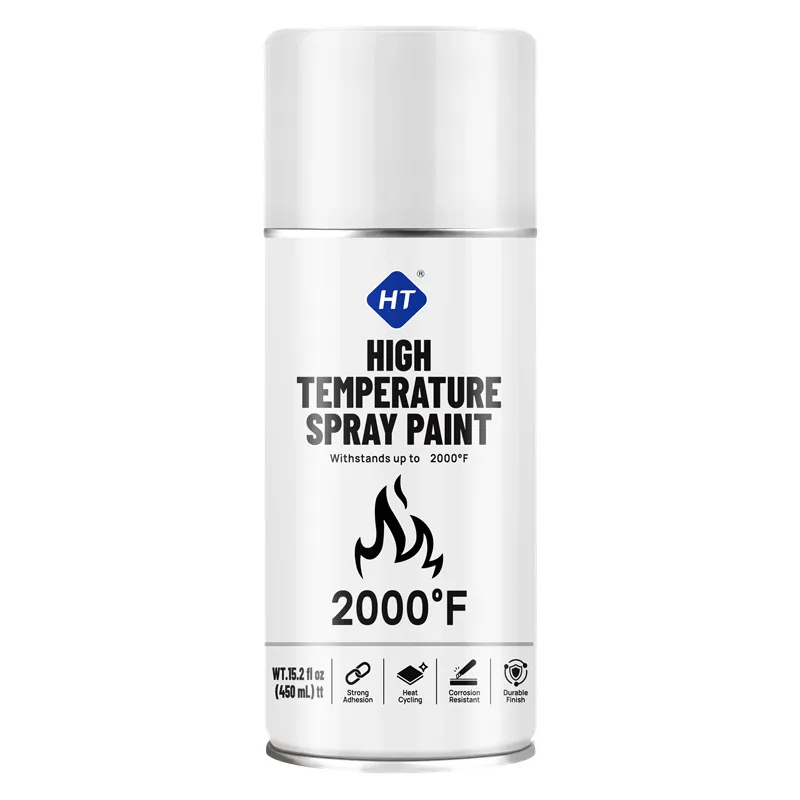
The right aerosol OEM partner should have market-specific certifications (REACH for EU, CARB for US), transparent quality control with physical samples, flexible MOQ (typically 3,000-5,000 cans), clear timelines (8-12 weeks), and verifiable factory credentials.
What certifications should an aerosol OEM have?
Before signing any agreement, verify that your manufacturer holds the certifications your target market requires.
For EU markets: REACH and CLP compliance are mandatory. Products exported to Europe must meet strict chemical safety standards.
For US markets: Look for manufacturers who comply with EPA regulations and CARB (California Air Resources Board) standards if selling into California.
For general export: ISO 9001 certification indicates consistent quality management. MSDS (Material Safety Data Sheets) should be available for every product.
UN 1950 certification for aerosol packaging is also critical — without it, your products cannot be shipped internationally by air or sea.
How do you evaluate aerosol quality before ordering?
Quality evaluation comes down to three things: formulation stability, can construction, and valve performance.
The best way to evaluate is to request physical samples. A reputable OEM will send samples of their existing formulations. Test:
• Spray pattern consistency — does it come out as a fine mist or sputter? • Drying time and adhesion — apply to the intended surface and check • Coverage — how many square feet per can? • Storage stability — accelerated aging tests (heat cycling) reveal separation issues
Ask for the product's technical data sheet (TDS) which details all performance specs. If a manufacturer can't provide TDS for their standard products, that's a red flag.
What's a typical MOQ (Minimum Order Quantity)?
MOQ varies significantly by manufacturer. In China's aerosol industry:
• Standard OEM MOQ: 3,000-5,000 cans per SKU • For custom colors or formulations: 10,000+ cans per SKU • Stock formulations (existing colors): Some manufacturers accept 1,000-2,000 cans
Some factories offer lower MOQs for first-time partners to build trust. Don't be afraid to ask — many OEMs are flexible for a trial order.
Also check MOQ per color and per total order. Some manufacturers require a minimum total even if per-SKU MOQ is low.
How long does product development take?
A typical OEM timeline looks like this:
• Sample development: 2-4 weeks (existing formulation with your label) • Custom formulation: 4-8 weeks (requires R&D time) • Mass production: 3-5 weeks after sample approval • Sea freight from China to US West Coast: 18-25 days • Sea freight from China to Europe: 30-40 days
Total time from order to delivery: typically 8-12 weeks for existing formulations, 12-16 weeks for custom products.
A good OEM will keep you updated at every stage. If a manufacturer can't give you a clear timeline upfront, move on.
How can I be sure the factory is legitimate?
Here's a practical checklist:
1. Request a video tour of the production facility (or visit in person) 2. Ask for a copy of their business license and export license 3. Verify their Alibaba/Gold Supplier status 4. Check if they have existing OEM clients in your market 5. Request references from current or past clients 6. Look for a physical address and verify it on Google Maps 7. Confirm they handle their own export documentation
A legitimate manufacturer will be transparent. If they're evasive about showing their facility or providing documentation, that's a warning sign.