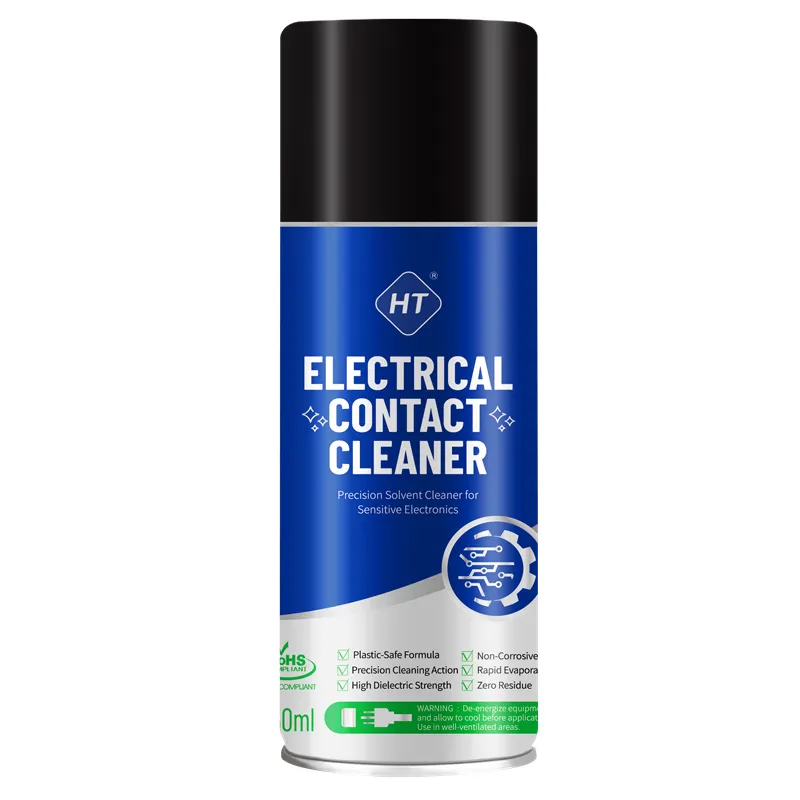
What Is the Difference Between Brake Cleaner and Electronics Cleaner?
Brake cleaner and electronics cleaner are both aerosol solvent cleaners, but they are formulated for completely different applications. Brake cleaner uses aggressive solvents designed to remove grease, oil, brake fluid, and heavy contaminants from metal parts. Electronics cleaner uses fast-evaporating, non-conductive solvents that clean circuit boards and sensitive components without leaving residue or causing short circuits.
Brake Cleaner: When to Use It
Brake cleaner is designed for automotive and industrial brake systems, metal parts, and heavy-duty degreasing. It removes brake dust, oil, grease, and road grime. The solvents are powerful but can damage plastics, rubber seals, and painted surfaces. Brake cleaner leaves no residue and dries quickly, but the aggressive chemistry makes it unsuitable for electronics.
Electronics Cleaner: When to Use It
Electronics cleaner is formulated to be non-conductive, fast-evaporating, and safe for sensitive electronic components. It removes flux residue, light oils, dust, and dirt from PCBs, connectors, switches, and circuit boards. Electronics cleaner is plastic-safe and does not damage sensitive materials. It leaves no conductive residue that could cause short circuits.
Key Chemical Differences
Brake cleaner typically uses chlorinated solvents (like tetrachloroethylene) or acetone-based blends for maximum cleaning power. Electronics cleaner uses hydrofluorocarbon (HFC) or hydrofluoroether (HFE) solvents that are non-conductive, non-flammable, and plastic-safe. Brake cleaner solvents can dissolve plastics and damage rubber seals. Electronics cleaner solvents evaporate cleanly without residue.
Can You Use Brake Cleaner on Electronics?
No, brake cleaner should never be used on electronics. The aggressive solvents can dissolve plastic connectors, damage circuit board coatings, and leave conductive residue. Using brake cleaner on electronics can cause short circuits, component damage, and permanent failure. Always use a dedicated electronics cleaner for circuit boards and sensitive equipment.
Choosing the Right Cleaner for Your Application
Choose brake cleaner for: automotive brake systems, metal degreasing, engine parts, heavy equipment maintenance, and industrial machinery. Choose electronics cleaner for: circuit board cleaning, PCB flux removal, connector and switch cleaning, sensitive laboratory equipment, and any application involving plastic or rubber components.
B2B Buying Considerations
For industrial buyers, having both cleaners in your maintenance kit is essential. Brake cleaner is higher volume and lower cost per unit, suitable for heavy-duty cleaning tasks. Electronics cleaner is more expensive per unit but prevents costly damage to sensitive equipment. Consider your maintenance volume for each application type.
Cleaner Selection FAQ
Q: Can electronics cleaner be used as a brake cleaner substitute? A: No, electronics cleaner lacks the solvent strength needed for heavy brake grime and grease. Use the right product for each application.
Q: Is brake cleaner flammable? A: Many brake cleaners are flammable. Check the SDS. Non-flammable brake cleaners use chlorinated solvents but have other handling restrictions.
How long does electronics cleaner take to dry?
Electronics cleaner evaporates in 15-60 seconds depending on temperature and ventilation, leaving no residue.
Can I use electronics cleaner on motors?
Yes, electronics cleaner is safe for electric motors, but it may not have enough cleaning power for heavily greased motor parts.
Q: What is the shelf life of aerosol cleaners? A: Properly stored, aerosol cleaners last 3-5 years. Check the manufacture date on the can.