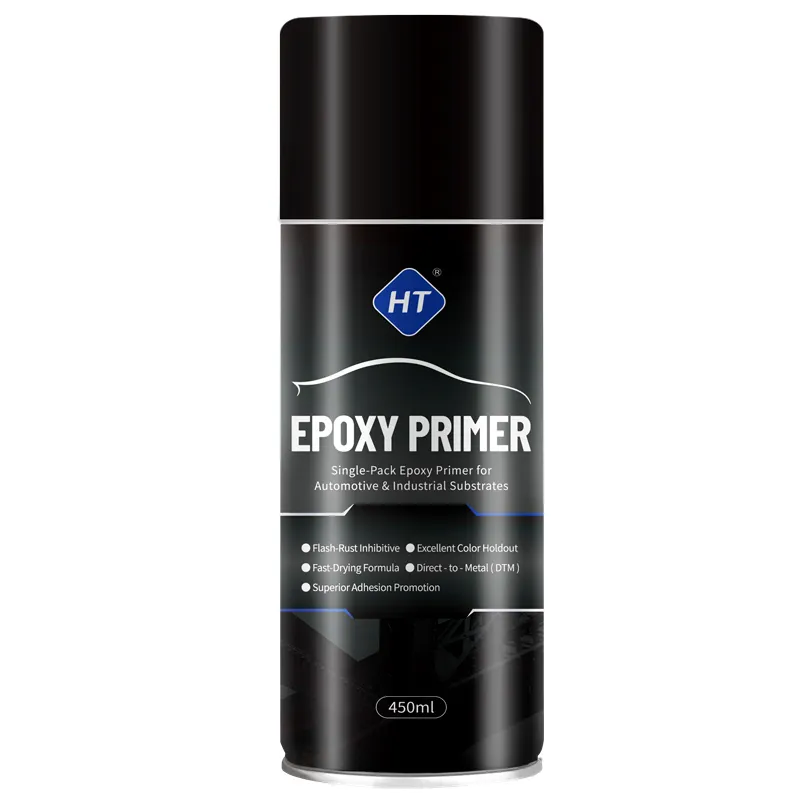
No-sand spray paints use chemical etchants (phosphoric acid derivatives) and adhesion promoters (polyolefin primers) to replace mechanical abrasion. They work on clean, glossy surfaces but fail on contaminated or corroded substrates.
The Chemistry Behind No-Sand Paint
No-sand formulations rely on two chemical mechanisms: Chemical etching where acid in the formulation microscopically roughens surfaces like chrome, glass, and plastic creating tooth for mechanical adhesion. Adhesion promotion where long-chain molecules (polyolefin primers) chemically bond to both the substrate and the paint film. Different surfaces require different etch rates and oil contamination renders the chemical bond ineffective.
When No-Sand Paint Does Not Work
No-sand paint fails on grease or oil contamination (degreaser required), heavy rust or scale (mechanical removal needed first), polyethylene and polypropylene plastics (resist chemical etching), and high-moisture surfaces (water displaces the chemical etch). For OEM buyers, always test no-sand claims on your specific substrate.
Is no-sand paint really equivalent to sanding?
It matches mild sanding (150-180 grit) on clean surfaces. For heavy-duty adhesion like automotive or heavy-use industrial, actual sanding to 220+ grit still delivers superior results. No-sand provides convenience, not perfect adhesion.