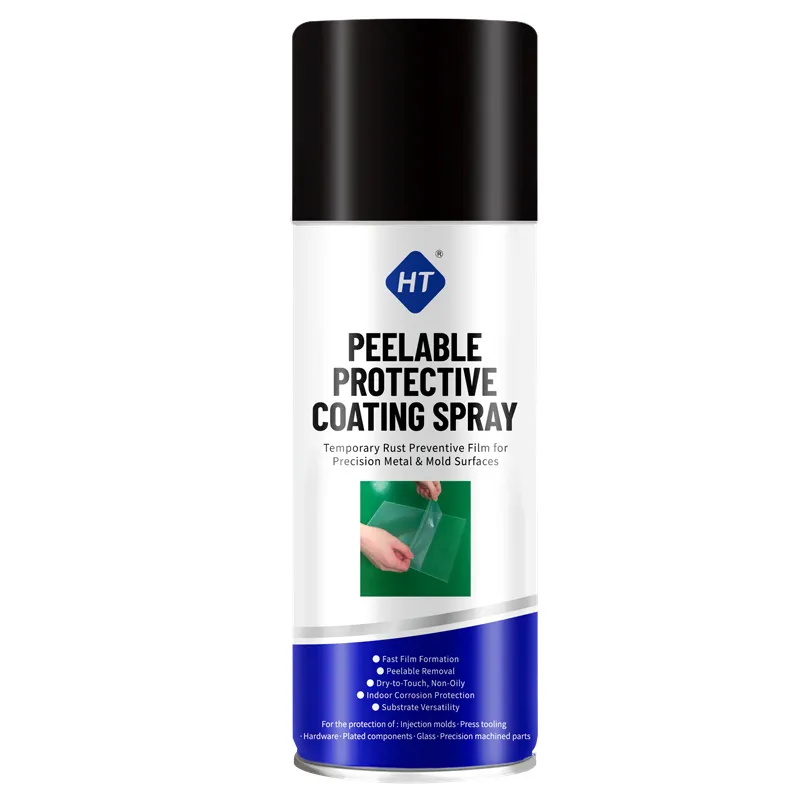
What is a mold release agent and why does it matter?
A mold release agent is a coating applied to mold surfaces to prevent manufactured parts from sticking during demolding. Without proper release, parts bond to the mold surface, causing damage to both the part and the mold.
Two primary categories exist: - Sacrificial (semi-permanent): Forms a thin film that transfers to the part. Needs reapplication each cycle. Typical for high-volume plastic injection and die casting. - Permanent (reactive): Chemically bonds to the mold surface. Lasts hundreds or thousands of cycles without reapplication. Common in composite layup and rubber molding.
For B2B buyers, choosing the right release agent directly impacts production efficiency, part surface quality, and mold longevity. A poorly matched release agent can cause surface defects, contamination, or premature mold failure.
What industries use mold release agent spray?
Mold release agents serve multiple industrial sectors:
- Plastic injection molding: The largest market. Release agents enable rapid cycle times and prevent sticking in complex geometries. Silicone and PTFE-based sprays are most common. - Composite manufacturing: Aerospace, automotive, and marine composites require semi-permanent releases that don't contaminate the laminate surface. - Die casting: Aluminum, zinc, and magnesium die casting uses water-based and solvent-based releases for high-temperature applications (300-700 deg F). - Rubber and silicone molding: Requires food-grade or FDA-compliant releases for medical and food-contact parts. - Concrete and gypsum casting: Architectural precast, decorative concrete, and plaster casting use vegetable oil-based or emulsion releases.
The global mold release agent market exceeds $3 billion annually, with aerosol format growing in maintenance and small-batch applications.
How do you choose the right mold release agent for your application?
Selection depends on substrate, temperature, surface finish requirements, and production volume:
- Substrate compatibility: Match the release agent to the part material. Silicone-based for plastic, PTFE for metal, wax for composites. Wrong chemistry causes surface defects or contamination. - Operating temperature: Standard releases work to 300 deg F. High-temperature die casting (500-700 deg F) requires specialty water-based or graphite-loaded formulations. - Surface finish: Glossy molds need releases that preserve surface quality. Matte or textured molds tolerate more aggressive formulations. - Post-processing: If the part will be painted, glued, or bonded after demolding, choose a release agent that does not leave residue. Silicone contamination causes paint adhesion failure. - Cycle count: High-volume production benefits from permanent or semi-permanent releases. Low-volume or prototype work uses sacrificial aerosol sprays for flexibility.
Always test on production molds before committing. Surface defects from wrong release agent selection are expensive to diagnose and correct.
What should B2B buyers specify when sourcing mold release spray?
Key specifications for OEM sourcing:
- Base chemistry: Silicone, PTFE, wax, or non-silicone. Specify based on post-processing requirements (silicone-free if painting or bonding follows). - Temperature range: Maximum continuous operating temperature. - Coverage: Square feet per can or per kg for bulk orders. - Dry time: Time to form release film after application. - Part compatibility: The specific materials being molded (ABS, PP, epoxy, fiberglass, aluminum, etc.). - Regulatory compliance: FDA 21 CFR 175.300 for food-contact parts, USP Class VI for medical, REACH/RoHS for EU markets. - Aerosol specifications: Propellant type, valve system, can size, and spray pattern.
OEM partners should provide technical data sheets with application guidelines specific to your production environment. Request sample quantities for testing before committing to production orders.