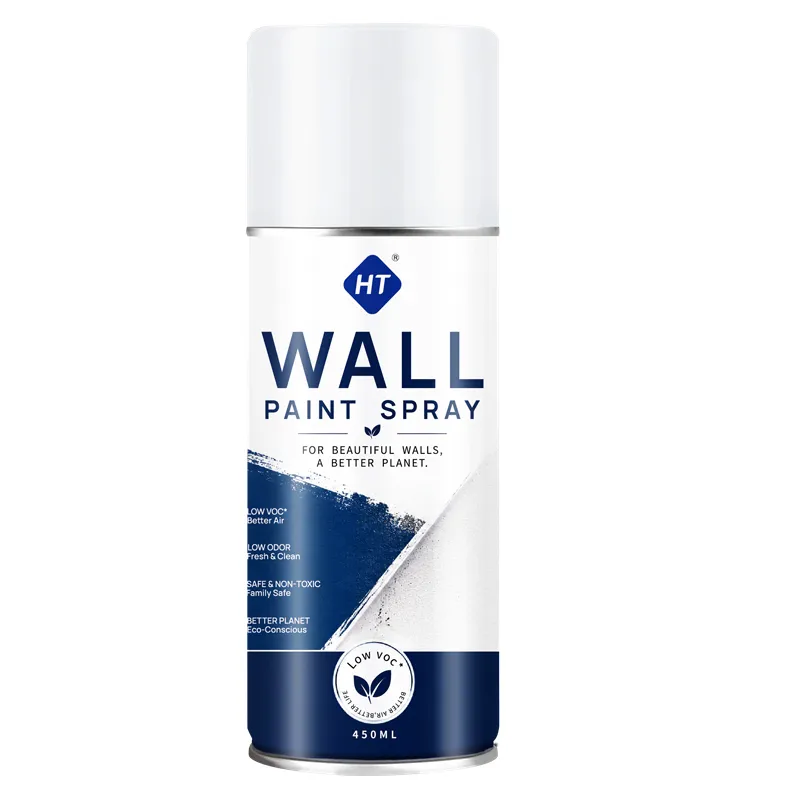
Why do utility locators and surveyors require specialized inverted marking aerosols?
Ground utility marking operates under unique environmental and mechanical demands:
1. Inverted Continuous Discharge: Locators spray pointing straight down. Standard aerosol cans with dip tubes sputter and lose pressure. Survey marking cans feature 360-degree inverted valves that deliver steady paint stream and clear propellant evacuation.
2. Rapid Dry-to-Touch: High-traffic asphalt roads require marks that dry tack-free in 2-3 minutes so vehicle tyres do not smear safety marks.
3. Substrate Versatility: Marking paints must bond across wildly different surfaces—porous damp asphalt, smooth cured concrete, gravel, frozen soil, and live turfgrass without killing vegetation.
4. Environmental Degradation vs. Removal Window: Utility locating requires temporary visibility (lasting 30-90 days until excavation finishes) that eventually fades under UV to avoid permanent municipal defacement, whereas survey boundary benchmarks need long-term solvent durability.
Requirement: High-pigment APWA-compliant inverted aerosols with engineered binder fade cycles.
What are the universal APWA / ANSI 811 Uniform Color Codes for utility identification?
Maintaining standardized American Public Works Association (APWA) color coding prevents catastrophic excavation strikes:
1. Safety Red: Electric power lines, conduit, cables, and lighting cables.
2. High-Visibility Yellow: Natural gas, oil, petroleum products, steam, or other gaseous/hazardous materials.
3. Safety Orange: Telecommunication lines, fiber optic cables, alarm, signal lines, and broadband cables.
4. Safety Blue: Potable (drinking) water lines and municipal distribution mains.
5. Safety Green: Sewers, storm drains, and sanitary wastewater pipelines.
6. Safety Purple: Reclaimed water, irrigation lines, and slurry pipelines.
7. Brilliant White: Proposed excavation boundaries and trenching layout lines.
8. Fluorescent Pink: Temporary survey markings and civil engineering benchmark references.
What is the difference between solvent-based, water-based, and chalk marking formulations?
Select the formulation based on duration and site sensitivity:
1. Solvent-Based Marking Paints: High-durability formula for asphalt, concrete, and sub-zero winter temperatures down to -15°C (5°F). Features intense pigment load and resists heavy rain, road salt, and traffic abrasion for 60-120 days.
2. Water-Based (Turf-Safe) Paints: Formulated for grass, golf courses, sports fields, and landscaped utility easements. Contains non-phytotoxic binders that will not burn or yellow live turfgrass and wash away naturally during mowing cycles.
3. Temporary Chalk Sprays: Binders formulated from micro-fine calcium carbonate. Completely washes away with a garden hose or natural rainfall within 5-15 days—ideal for public sidewalks, historic stone pavements, and sports event layouts.
What application techniques ensure crisp, legible utility symbols on rough surfaces?
Executing clear, readable locator marks in active construction zones:
1. Marking Wand / Pistol Ergonomics: Insert the inverted can into a long-reach wheeled marking wand or handheld spotting pistol. This keeps the nozzle at a consistent 5-10 cm height from the ground and prevents technician back fatigue over kilometer-long runs.
2. Standardized Symbology: Spray standard APWA symbols—diamonds for junction vaults, directional arrows for pipeline paths, offset measurements (e.g., '2 FT OFF') on curbs, and pipe diameter notes (e.g., '6-in GAS').
3. Cold-Weather Valve Clearing: In freezing winter conditions, shake cans vigorously for 60 seconds and keep spare cans in a heated vehicle cab to maintain internal propellant vapor pressure.
4. Non-Clog Valve Design: Modern inverted cans feature high-flow nozzles that resist clogging even when spraying through airborne dirt, gravel dust, and moisture.
What makes utility marking aerosols a critical revenue category for safety and civil supply distributors?
Utility locating consumables offer massive, predictable repeat sales volume:
1. High Daily Burn Rate: A single municipal locating technician or road crew consumes 6 to 18 aerosol cans per day during peak construction and pipeline installation seasons.
2. Mandatory Legal Compliance: 'Call Before You Dig' (811) laws mandate utility marking prior to every mechanized excavation project, creating recession-proof consumable demand.
3. Complete System Cross-Selling: Aerosols pull along high-margin survey hardware (marking wands, flags, magnetic locators, laser levels, and survey stakes).
4. OEM Supply: Huotian manufactures APWA-standardized inverted marking paints and turf sprays featuring ultra-bright fluorescent pigments, sub-zero propellant blends, and international export packaging (UN1950).