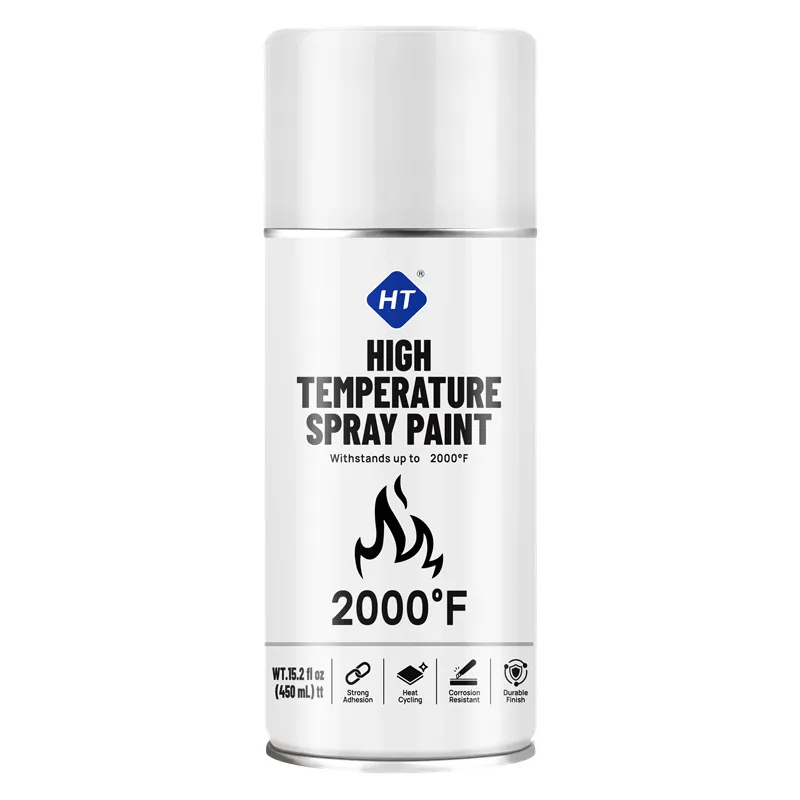
What is the difference between powder coating and spray paint?
The two processes apply finish in completely different ways:
Powder coating: Dry, electrostatically charged polymer powder is sprayed onto an earthed part. The powder clings electrostatically, then the part is cured in an oven at 180-200 deg C, where the powder melts and fuses into a tough, continuous film. It requires factory equipment: spray booth, powder gun, and curing oven.
Spray paint (aerosol or liquid): Paint is applied as a liquid that dries by solvent evaporation, oxidation, or curing agents. Aerosol spray paint is portable and requires no equipment beyond the can itself — it can be applied anywhere, anytime.
The practical difference for buyers: powder coating is a production process for factory finishing. Spray paint is a flexible application method that works in production, workshop, or field environments.
How does durability compare between powder coating and spray paint?
Powder coating is generally more durable for two reasons: film thickness and chemistry.
Film thickness: Powder coating deposits 60-120 microns (often more), roughly double to triple the 25-50 microns of typical spray paint. Thicker film means better impact resistance, abrasion resistance, and corrosion protection.
Chemistry: Powder formulations are fully cross-linked during oven cure, producing a denser, harder film than solvent-dried paints. Cured powder resists chipping, scratching, and chemical attack better than most spray paints.
However, 'spray paint is weaker' is not the whole story. Quality aerosol paints with the right primer system can perform well within their intended application window:
- High-performance spray paint (2K or high-solids acrylic) approaches powder durability for touch-up and small parts
- Spray paint is repair-friendly: a scratched powder-coated part is typically touched up with matching aerosol paint
- Environmental extremes (UV, salt, chemicals) favor powder for long-term exposure, but modern automotive-grade spray paints hold up well when properly applied
Realistic guidance for B2B buyers: powder coating for parts that ship in high volume and need maximum durability; spray paint for touch-up, maintenance, and parts that cannot be oven-cured (large structures, assemblies with non-metal components, on-site work).
What is the cost comparison — is powder coating cheaper than spray paint?
Cost depends on scale. Compare three scenarios:
1. Factory production (high volume, dedicated line): Powder coating is typically CHEAPER per part. Powder has high transfer efficiency (overspray can be recycled), no solvent content, fast single-pass application, and one oven cure. Labor is lower because coating is a one-shot process with minimal rework. Setup cost is high (equipment purchase) but amortizes over volume.
2. Small batches and prototyping (50-1000 parts): Powder coating setup time (cleaning, masking, powder color change, oven cycling) becomes significant. Spray paint with a spray gun or aerosol is often cheaper per batch because changeover is minutes, not hours. Many job shops switch to spray for small runs.
3. Field work, touch-up, and repair: Spray paint (especially aerosol) is the only practical option. There is no comparison — powder coating equipment cannot be brought to the field. A can of matching color spray paint is the standard repair method for any coated surface.
Rule of thumb: production volume above roughly 5,000-10,000 parts per year with consistent color → powder coating wins on cost. Below that, or with frequent color changes, small batches, or field application → spray paint wins on cost and flexibility.
When should a manufacturer use both powder coating and spray paint?
Most industrial manufacturers use BOTH processes, in combination:
- Powder coat the base: Structural parts, enclosures, and high-exposure components are powder coated in production for durability and consistent appearance.
- Aerosol touch-up after assembly: Assembly and handling inevitably cause scratches. Matching aerosol paint is used for final touch-up before shipment. Every powder coater and metal fabricator stocks matching aerosol colors for this reason.
- Aerosol for weld seams and cut edges: Powder coating fails at sharp edges (Faraday cage effect leaves thin coverage) and cut edges. Aerosol touch-up reinforces these areas.
- Aerosol for hardware and fasteners: Nuts, bolts, hinges, and other small parts are cheaper to finish with aerosol or dip than to run through a powder line.
- Field maintenance: Once equipment leaves the factory, aerosol is the only practical refinishing method.
For OEM buyers sourcing from Huotian: we manufacture matching-color aerosols that precisely match your powder-coated finish. Provide a color sample or RAL/Pantone code, and we formulate a touch-up spray that matches your production color — so your customers can maintain the finish for years.