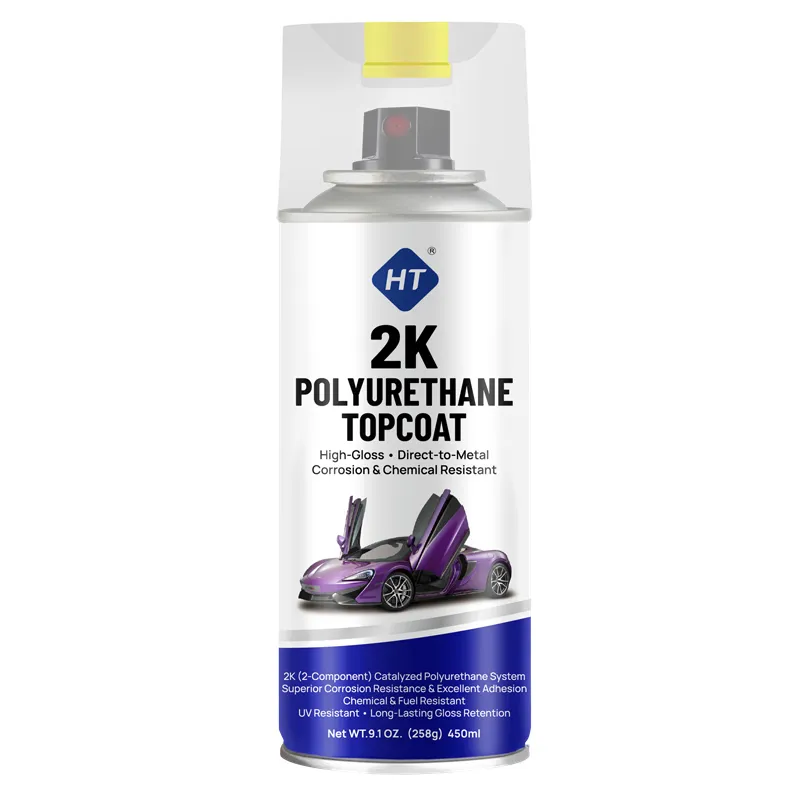
Why is standard spray paint dangerous and ineffective in commercial food environments?
Food-service restoration demands strict regulatory and material science considerations:
1. Food Safety Contamination Risk: Ordinary consumer spray paints contain heavy-metal pigments (lead, chromium, cadmium) and toxic solvent plasticizers that can migrate into open food, violating FDA / EU 1935/2004 food contact regulations.
2. Caustic Sanitizer Destruction: Commercial kitchens are cleaned 2-4 times daily with high-pressure foam sanitizers containing sodium hypochlorite, quaternary ammonium, and concentrated caustic soda (pH 12-13). These aggressive chemistries rapidly dissolve standard alkyd paint.
3. Steel Surface Micropitting: Chloride-based sanitisers trigger rapid pitting of unprotected carbon steel frames, creating bacteria-breeding cracks and crevices that fail HACCP inspections.
4. Temperature Cycling: Commercial blast chills (-20°C) and hot cook lines (+80°C) induce severe expansion-contraction shear on coated metal surfaces.
Requirement: NSF International / HACCP-compliant coatings, formulated with food-contact-safe pigment systems and chemically inert, bacteriostatic resins.
What areas of commercial kitchen equipment may require special food-contact-safe coatings?
Categorizing compliance zones on food equipment determines which coating systems may be safely applied:
1. Direct Food Contact Zones (Hazard High-Risk): Coatings on shipping hoppers, mixing bowls, conveyor belts, and stainless prep tables directly contacting food must be specifically approved as food-contact-grade. They require FDA 21 CFR 175.300 / EU 10/2011 compliant non-migratory technology.
2. Splash & Fomite Zone (Moderate Risk): Overhead shelves, wall-mounted racks, and frame members within splash distance of open food. Coatings must withstand daily caustic and chlorine sanitizing without chalking, peeling, or harboring bacteria.
3. Non-Contact Equipment Frame Zone (Low Risk): Walk-in cooler cabinet exteriors, compressor skids, welded shelving columns, and condenser frames. Standard industrial anti-rust polyurethane may be used here following thorough decontamination.
Rule: When in doubt about direct contact, physically mask or remove the affected component and use only explicitly food-contact-rated products.
How do you prepare and restore rusted carbon-steel frames in a commercial kitchen?
Preparing caustic and moisture-contaminated equipment frames:
1. Power-Wash & Sanitizing Neutralization: Wash all surfaces with a food-compatible alkaline degreaser to strip grease, food residue, and sanitizer film. Rinse thoroughly, then neutralize any residual alkaline with a clean water rinse containing a mild citric acid solution.
2. Mechanical De-Rusting: Wire-brush and flap-disc all active corrosion scale down to sound bright metal on frame rails and walk-in panel corners.
3. Rust Converter Application: On inaccessible pitted welds, spray a polymer-bonding rust converter that transforms active iron oxide into an inert black barrier.
4. Anti-Bacterial Surface Finish: Topcoat with a smooth, pore-free polyurethane-enamel hybrid engineered to offer bacteriostatic (microbe-resistant) surface chemistry that cannot harbor foodborne pathogens (Listeria, Salmonella) in microscopic cracks.
What maintenance workflow prevents recurring rust on commercial refrigeration and bakery lines?
Implementing a sustainable HACCP-aligned recoating schedule:
1. Quarterly Hot-Spot Inspection: Inspect mop-guard kick plates, caster mount brackets, motor enclosures, and air condenser fins where moisture pools and sanitizer accumulates as soluble salts.
2. Fast-Touch Aerosol Repair Protocol: Keep NSF/HACCP-compatible touch-up aerosols in the maintenance closet. Spot-prime exposed scratches immediately after detection before rust spreads under the coating film.
3. Scheduled Annual Full Refinish: During weekly shutdown shutdowns or preventive maintenance windows, perform scheduled recoating of high-corrosion zones (dish room splash panels, steam kettle stands).
4. Documentation & Compliance Auditing: Maintain coating application logs compatible with third-party HACCP, FDA, or SQF audit standards, tracking dates, batch numbers, and applied film location.
What commercial value does food-grade equipment maintenance represent for B2B buyers?
Food-safe coatings serve a high-regulatory, high-recurrence aftermarket:
1. Regulatory Failure Costs: A single failed health inspection due to peeling, rusted, bacteria-harboring surfaces can result in fines and restaurant closure. Prevention-driven maintenance aerosols solve this urgent loss-avoidance pain point.
2. Commercial Chef Supply Channel: Equipment service contractors and commercial kitchen wharehouse supply houses stock caustic-resistant and food-grade touch-ups for conveyor, oven, and blast chiller repairs.
3. High Repeat Revenue: Daily sanitizer exposure creates an ongoing, predictable annual consumable replacement cycle for busy food operations.
4. OEM Supply & Certification: Huotian manufactures food-equipment specialty aerosols using compliant, food-contact-safe raw materials and non-tainting resin systems, packaged and labeled for global commercial kitchen distribution.