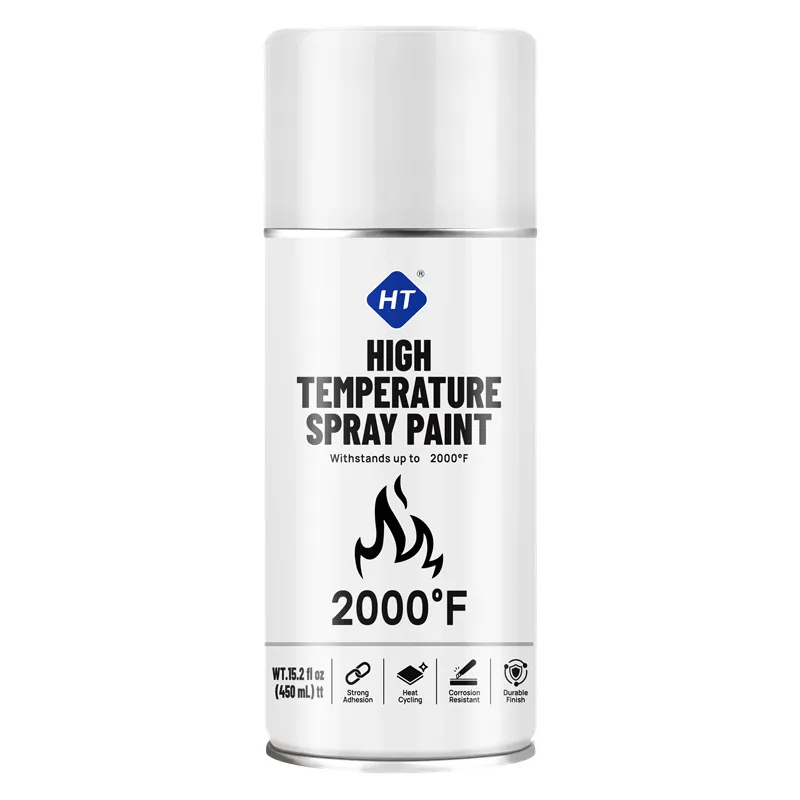
What is engine enamel spray paint and how is it different from regular spray paint?
Engine enamel is a high-temperature-resistant paint formulated for engine components. The key difference from regular spray paint is thermal resistance:
Regular spray paint: formulated for ambient temperatures up to about 60-80 deg C (140-176 deg F). At engine operating temperatures, it softens, discolors, blisters, and peels.
Engine enamel: formulated with high-temperature binders (silicone, epoxy-modified resins) that maintain hardness, adhesion, and color stability at elevated temperatures. Typical engine enamel withstands 120-260 deg C (250-500 deg F) continuous operation, with some silicone-based formulations rated to 650 deg C (1200 deg F) for exhaust components.
Engine enamel also resists oil, fuel, coolant, and cleaning solvents better than regular paint — essential because engines are exposed to these fluids.
For engine blocks specifically, a 200 deg C (392 deg F) rating is the practical standard. Exhaust manifolds and headers need higher ratings (500-650 deg C) and use silicone-based paints.
Huotian's HT-001 High Temperature Spray Paint line includes formulations rated for engine applications, with specific variants for blocks, headers, and exhaust components.
How do you prepare and paint an engine block?
Engine painting is 80% preparation, 20% spraying. The process:
1. Clean thoroughly: Remove grease, oil, and dirt with a degreaser (engine degreaser or brake cleaner). Oil residue is the #1 cause of engine paint failure — paint cannot adhere to oil-contaminated metal. For a rebuild, the block should be cleaned in a parts washer or hot tank before painting.
2. Mask everything: Cover the deck surface, cylinder bores, oil galleries, threaded holes, and mating surfaces. Use masking tape and plugs. Any paint entering oil passages contaminates the rebuild.
3. Scuff the surface: Lightly sand with 220-320 grit or use a scuff pad to give the paint a mechanical anchor. Wipe with solvent and allow to dry completely.
4. Apply primer where needed: On bare cast iron, a high-temperature primer improves adhesion and corrosion protection. On previously painted blocks, scuff and spot-prime damaged areas.
5. Spray in thin coats: Hold the can 20-25cm away. Apply 2-3 thin coats, waiting 10-15 minutes between coats (per product instructions). Thin coats cure properly; one heavy coat traps solvent and blisters when the engine heats.
6. Cure before service: Engine enamel needs proper cure — typically air dry 24 hours, then a heat cycle (idle engine or oven) to fully cross-link the high-temperature resin. Follow the product's recommended cure schedule. An engine painted and immediately driven hard may still be soft.
How long does engine enamel last, and why does it fail?
Properly applied engine enamel lasts years. Failure modes and their causes:
1. Blistering and peeling: Almost always from contamination — oil or moisture under the paint. The fix is proper cleaning and cure.
2. Discoloration (yellowing/browning): Occurs when the paint is rated below actual surface temperature. Exhaust-adjacent areas need higher-rated paint. Paint rated for 200 deg C on a 350 deg C surface will discolor.
3. Chalking and fading: UV exposure degrades pigment over time. Engine bays in direct sun fade faster. Choose a formulation with good UV resistance for show cars.
4. Chemical attack: Fuel spills, brake fluid, and aggressive cleaners soften paint. Quality engine enamel resists brief exposure; prolonged soaking in brake fluid will attack any paint.
5. Rust creep: If the block surface rusts under the paint (from inadequate prep), the rust lifts the coating. Rust treatment before painting prevents this.
Practical expectation: a correctly prepped and cured engine paint job lasts 5-10+ years on a daily driver, and indefinitely on a garage-kept show car. The most common failure is not the paint — it is preparation shortcuts.
What should B2B buyers know about sourcing high-temperature spray paint?
For distributors, hardware retailers, and OEM buyers sourcing engine enamel and high-temperature paints:
1. Temperature rating is the key spec: Stock a range — 200 deg C general engine, 500-650 deg C exhaust/header. Clear labeling of temperature rating is essential for customer selection.
2. Color range: Black, aluminum/silver, red, and blue are the classic engine colors. Add white and orange for performance/show niches. Custom color matching is available from OEM manufacturers (Huotian offers color matching for high-temperature lines).
3. Certification and compliance: Verify the paint meets your market's VOC regulations (CARB, EU VOC directive) and REACH. High-temperature paints use solvent systems that can be high-VOC; low-VOC variants exist but verify performance.
4. Packaging: 400ml aerosol is standard. For workshops, larger formats and a companion high-temperature primer SKU build basket size.
5. Documentation: Provide temperature rating charts, application guides, and SDS with every shipment. Distributors that educate customers on temperature selection and prep reduce returns and complaints.