Why does roadside steel corrode faster than its specification suggests?
Because the specification assumes one environment; the asset sees four:
- De-icing salt spray every winter, the largest single driver of corrosion on road networks.
- Standing water and soil contact at post bases, where installation damage and poor drainage take their toll.
- Traffic spray and abrasion, which wears films and keeps surfaces wet.
- Impact and vibration damage, which cracks coatings and opens paths for water.
The hotspots are almost always the same: post bases at and below grade, base plates on poles, bolt holes and drilled connections, sign-to-post brackets, blocked drain holes, blockouts, and the barrier splash zone. An inspection that only looks at the visible face of a guardrail finds the least corrosion.
How do you tell galvanized, weathering, and painted steel apart - and does it change the plan?
It changes everything, and the three are routinely confused in the field:
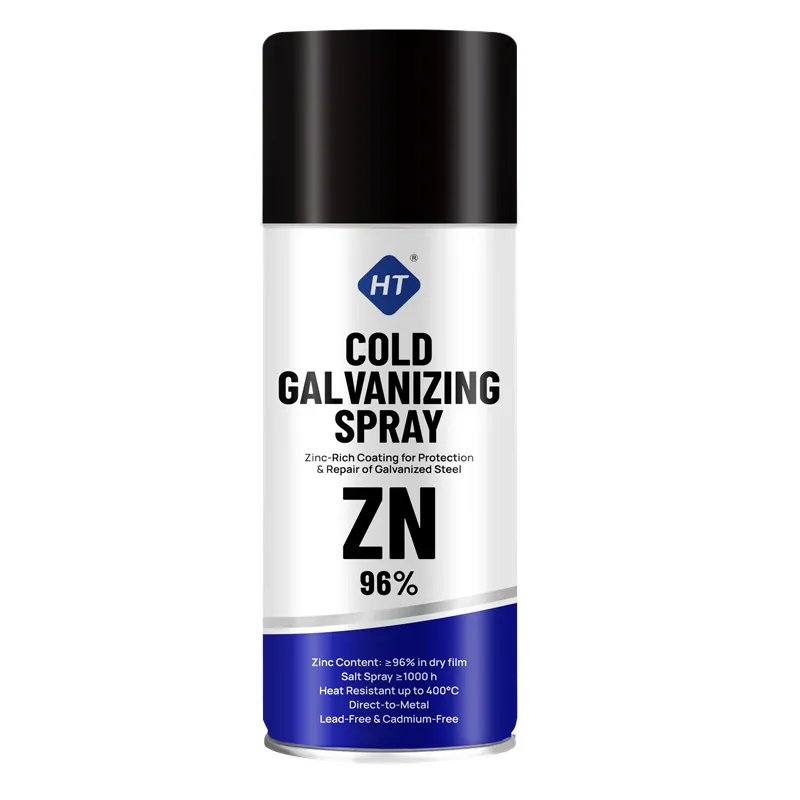
- Hot-dip galvanized, covering most guardrail and many posts: protected by zinc that sacrifices itself. Maintenance means repairing damage - cut ends, drilled holes, impact scrapes - with a zinc-rich coating, not repainting the asset.
- Weathering steel: relies on its own protective oxide layer as it cycles wet and dry, and is normally left unpainted - a generic paint system is a mistake. Chlorides also defeat the oxide layer, which is why weathering steel underperforms near the coast or on salted roads.
- Painted steel, on poles and structures: maintained by repaint cycles chosen for the corrosivity of the location.
- Aluminium poles: no rust, but steel fasteners in contact with aluminium form a galvanic couple that corrodes the fastener.
If the register does not record the material, check before specifying work - the wrong treatment shortens asset life.
What must never be painted on a road network?
Several things, and painting them is a compliance failure, not cosmetic:
- Sign faces carrying reflective sheeting. Retroreflectivity is a regulatory requirement and a safety function, so coating a sign face destroys it. Signs are replaced, not painted - including a damaged corner.
- Delineator reflective bands and any other retroreflective element.
- Asset and inspection tags, ID plates, and bolt heads an inspector must read - the same rule that protects load ratings on lifting equipment.
- Electrical and lighting components, including access covers and cable entries.
If a specification asks for a sign face or reflective element to be coated, query it: it usually means the asset should be replaced, or another surface was intended.
How is damaged galvanized steel repaired properly?
With a zinc-rich repair coating, applied as protection rather than a cosmetic touch-up:
- Prepare first: remove loose zinc and rust, degrease, and abrade to a defined standard. Check salt contamination at coastal sites before coating.
- Use a product whose data sheet declares its zinc content: repair coatings vary, and protection depends on that zinc load.
- Apply to the recommended dry film thickness and number of coats, and allow full cure before the asset returns to service.
- Treat edges, welds, and the inside of drilled holes deliberately: thin coverage on an edge is where corrosion restarts.
Where a post or base plate has rusted through, coating is not a repair. Section loss on a safety barrier is a structural decision, and belongs with the engineer rather than the paint crew.
What does a defensible maintenance programme look like?
Four elements, and none of them is exotic:
1. An asset register recording location, material, installation year, and the last intervention. Without it, every inspection starts from zero.
2. Risk-ranked inspections: high-salt routes, coastal corridors, bridge decks, and structures over carriageways first.
3. Condition records with photographs and a consistent grading scale, so deterioration is compared year to year rather than remembered.
4. Scheduled spot repairs: after the salt season, after mowing and impact seasons, and after any barrier repair that cut or drilled steel.
For an authority the audit trail is often the deliverable; for a contractor it turns unpredictable complaints into recurring work with quotable volumes.
What should be specified when buying for roadside work?
Six items that keep a specification enforceable:
- A coating system tied to a corrosivity category and durability target: ISO 12944 C4 for roads with de-icing salt, up to C5-M for coastal corridors.
- A zinc-rich repair coating with declared zinc content for galvanized damage, and a compatible system of primer, intermediate, and topcoat for painted structures.
- Dry film thickness requirements, with stripe coats called out for edges, welds, base plates, and bolt heads.
- Colour and gloss agreed against the authority's asset standard, so mixed vintages look consistent.
- VOC compliance for the jurisdiction, with the documentation to prove it.
- Consumables that let a crew work from a pickup without mixing: HT-017 zinc-rich cold galvanising for galvanized repair, HT-031 epoxy primer and HT-027 high-hardness topcoat for painted structures, and HT-012 line marking for road surfaces.
Roadside maintenance is high-volume, repeat business driven by weather rather than fashion. The suppliers who stay are the ones whose systems get specified, not those with the cheapest cans.