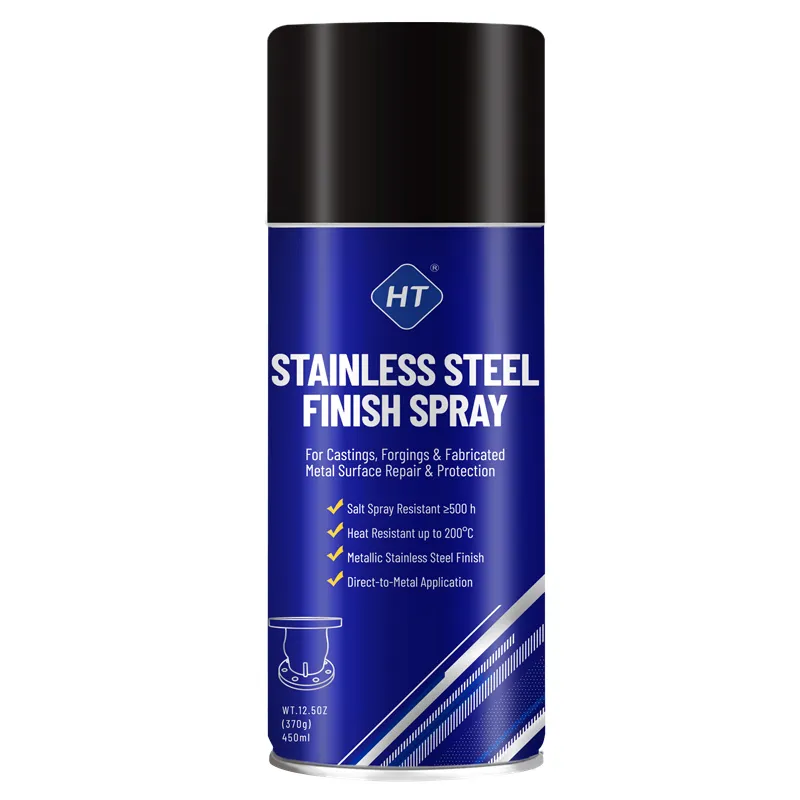
Can You Spray Paint Stainless Steel?
Yes, you can spray paint stainless steel, but it requires proper preparation and the right products. Stainless steel has a smooth, non-porous surface that paint struggles to adhere to without preparation. With the correct primer and technique, you can achieve a durable, attractive finish on stainless steel appliances, fixtures, and industrial equipment.
Surface Preparation
Clean the surface thoroughly with a degreaser or isopropyl alcohol to remove oils, fingerprints, and contaminants. Lightly sand with 220-320 grit sandpaper to create a rough surface for paint adhesion. Wipe away all sanding dust with a tack cloth. For industrial applications, consider chemical etching for maximum adhesion.
Choosing the Right Primer
Use a self-etching primer designed for metal surfaces. Self-etching primers contain acid that chemically bonds to the metal, providing excellent adhesion. Apply 2-3 thin coats of primer, allowing 10-15 minutes flash time between coats. For outdoor applications, use a rust-inhibiting primer for added protection.
Selecting the Paint
For stainless steel, use acrylic enamel or epoxy paint for the best adhesion and durability. Avoid oil-based paints unless you use a compatible primer. Choose a paint formulated for metal surfaces. For industrial applications, 2K polyurethane provides maximum chemical and UV resistance.
Application Technique
Hold the spray can 8-12 inches from the surface. Apply 2-3 thin coats rather than one thick coat. Use smooth, overlapping passes at 50% overlap. Allow 15-20 minutes between coats. For best results, apply in a dust-free environment at 15-25C (59-77F) with humidity below 65%.
Clear Coat Protection
For maximum durability, apply a clear coat over the paint. Choose between gloss, satin, or matte finish depending on your preference. Clear coats add UV protection, chemical resistance, and scratch resistance. Allow the paint to cure fully (24-48 hours) before applying clear coat.
Common Mistakes to Avoid
Skipping surface preparation is the number one cause of paint failure on stainless steel. Applying too many coats too quickly causes runs and poor adhesion. Using the wrong primer results in peeling. Not allowing proper cure time between coats leads to defects.
Industrial Applications
For industrial stainless steel equipment, consider using a 2K polyurethane system for maximum durability. A self-etching primer followed by an epoxy mid-coat and polyurethane topcoat provides the best protection in demanding environments. Consult your OEM supplier for formulation recommendations.
Frequently Asked Questions
Q: What primer should I use on stainless steel? A: Use a self-etching primer designed for metal surfaces. It contains acid that chemically bonds to stainless steel for excellent adhesion.
Q: Do I need to sand stainless steel before painting? A: Yes, lightly sand with 220-320 grit sandpaper to create a rough surface for paint adhesion. Clean thoroughly after sanding.
Q: How many coats of paint should I apply to stainless steel? A: Apply 2-3 thin coats of primer, followed by 2-3 thin coats of paint, and optionally 1-2 coats of clear coat for maximum durability.