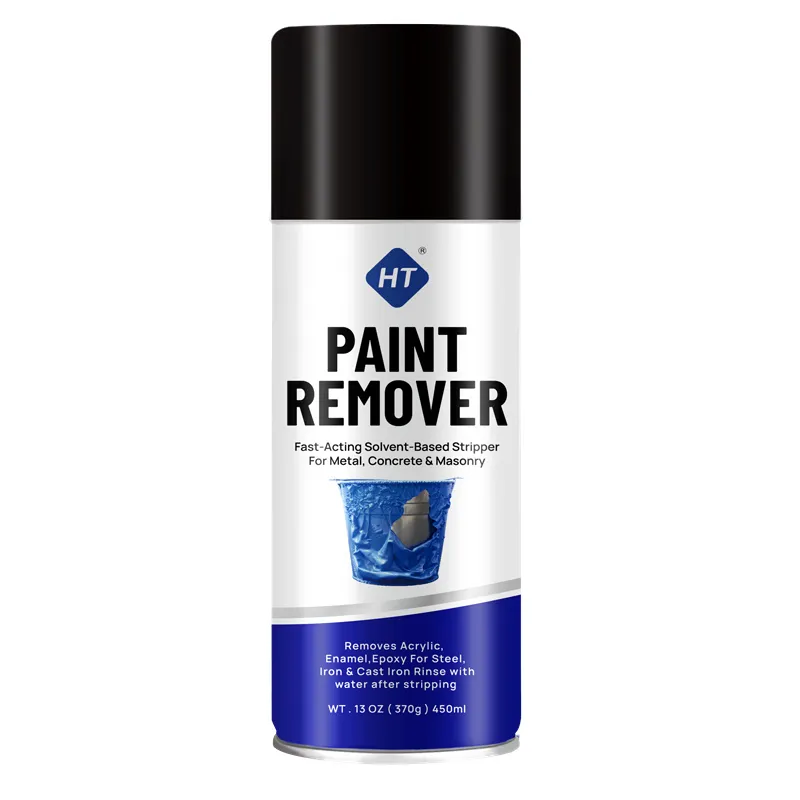
Best Methods to Remove Spray Paint
Removing spray paint depends on the surface type, paint chemistry, and how long the paint has been on the surface. Fresh spray paint (less than 24 hours) is much easier to remove than cured paint. The safest approach starts with the least aggressive method and escalates only when necessary. Never use abrasive methods on delicate surfaces like plastic or glass.
Removing Spray Paint from Metal
Metal is the most forgiving surface for paint removal. Chemical paint strippers work best: apply methylene chloride-based stripper, let it sit 15-30 minutes, then scrape with a plastic scraper. For thin paint layers, use acetone or lacquer thinner on a rag. Mechanical methods: sand with 120-220 grit sandpaper or use a wire brush for stubborn spots. Heat gun method: heat the paint until it bubbles, then scrape. Works best on thick layers but requires ventilation.
Removing Spray Paint from Glass
Glass is fragile and scratches easily, so avoid abrasive methods. Best approach: soak a rag in acetone or paint thinner, press it against the painted surface for 5-10 minutes to soften the paint, then wipe away. For cured paint, use a razor blade scraper at a 30-degree angle. Glass-safe paint removers (citrus-based) work without damaging the glass or surrounding frames. Never use wire brushes or harsh abrasives on glass.
Removing Spray Paint from Plastic
Plastic is the most challenging surface because solvents can melt or damage the plastic. Start with the mildest method: warm soapy water and a soft cloth. For resilient paint, use a citrus-based paint stripper (safe for most plastics). Test any solvent on a hidden area first. Isopropyl alcohol (70%) can remove fresh paint from some plastics. Avoid acetone on most plastics as it can dissolve the surface. Mechanical: use a plastic scraper or soft brass brush only.
Natural and Household Remedies
Vinegar: White vinegar can soften fresh spray paint. Apply warm vinegar and let sit 10-15 minutes before scrubbing. Baking soda paste: Mix baking soda with water to form a paste. Scrub gently with a soft cloth. Effective for fresh paint on glass and metal. Oil-based methods: Cooking oil, mayonnaise, or petroleum jelly can soften paint. Apply thickly, let sit 30 minutes, then wipe. Works best on fresh paint. Pressure washing: For large flat surfaces, pressure washing can blast off loose or poorly adhered paint.
Paint Removal FAQ
Q: What is the easiest way to remove spray paint? A: For fresh paint (under 24 hours), soapy water or vinegar often works. For cured paint, chemical paint stripper is most effective.
Q: Will acetone remove spray paint? A: Yes, acetone is effective on most spray paints, especially on metal. Test on plastic first as acetone can melt some plastics.
Q: How do you remove spray paint from car paint? A: Use a clay bar first. If that fails, try isopropyl alcohol or a dedicated automotive paint remover. Never use harsh solvents on car paint.
Q: Can you pressure wash off spray paint? A: Pressure washing works on loose or poorly adhered paint on hard surfaces like concrete and metal. It will not remove well-bonded paint from sealed surfaces.
Q: Is paint stripper safe for all surfaces? A: No, methylene chloride strippers can damage some plastics and rubber. Citrate-based strippers are safer but less powerful. Always test first.