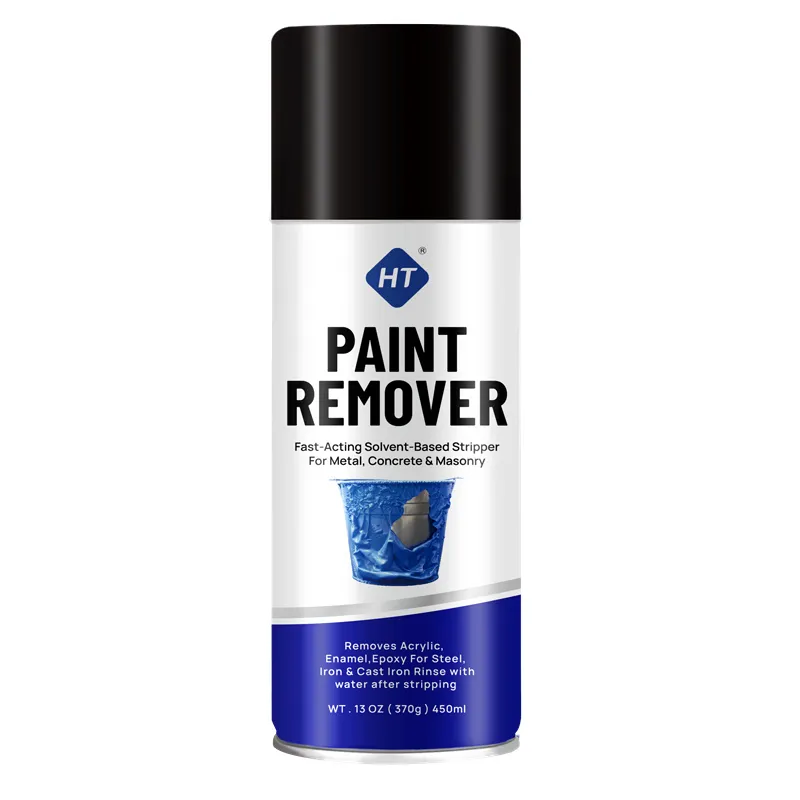
Chemical paint strippers (methylene chloride or NMP-based) work on metal and wood. Infrared Paint Removers work on wood without chemicals. Mechanical methods (sanding, blasting) work on all surfaces but risk damage. Always match the removal method to both the paint type and the substrate.
Chemical Paint Strippers: How They Work
Chemical paint strippers break the bond between the paint film and the substrate. There are three main types: Solvent-based (methylene chloride, NMP, or dibasic esters) -- fastest acting, work in 15-30 minutes, but require ventilation and PPE. Caustic-based (sodium hydroxide) -- slower acting (1-2 hours), work well on thick coatings, but can darken wood and etch aluminum. Bio-based (soy gel, citrus extract) -- slowest (2-12 hours), safest for users and the environment, best for indoor use. For aerosol paint removal, solvent-based strippers are most effective because spray paint is thin-film and solvent-based strippers penetrate quickly.
Removing Spray Paint from Metal
Metal is the easiest surface to remove spray paint from. Chemical strippers work best on thin films. Heat guns (500-1100F) soften the paint for scraping -- use with caution near electrical components. Media blasting with baking soda or walnut shells removes paint without damaging the metal. Infrared paint removers work well for outdoor applications. For production lines, we recommend aerosol paint removers like HT-013 that drip-free vertical surfaces and work in under 10 minutes.
Removing Spray Paint from Wood and Drywall
Wood is porous, so spray paint penetrates the grain. Chemical strippers require longer dwell time on wood. Infrared paint removers are preferred for large areas to avoid chemicals leaching into grain. After stripping, neutralize with mineral spirits and sand to 120 grit before refinishing. Drywall is even more porous -- chemical strippers can damage the paper facing. Use a gel-based stripper that stays on the surface without soaking in.
Removing Spray Paint from Plastic and Glass
Plastic requires special care because many chemical strippers dissolve common plastics (polystyrene, polycarbonate). Test in an inconspicuous area first. Bio-based strippers are safest. For glass, razor blades remove dried spray paint mechanically. Spray the surface with isopropyl alcohol to loosen the bond first. Heat guns also work -- the thermal expansion differential between glass and paint causes peeling.
What is the fastest way to remove spray paint?
For metal: solvent-based chemical stripper (15-30 minutes). For wood: infrared paint remover (avoids grain damage). For plastic: bio-based stripper (safest but slowest, 2+ hours). For glass: razor blade after alcohol spray. Always prioritize safety: ventilation, gloves, and eye protection are mandatory when using chemical strippers.