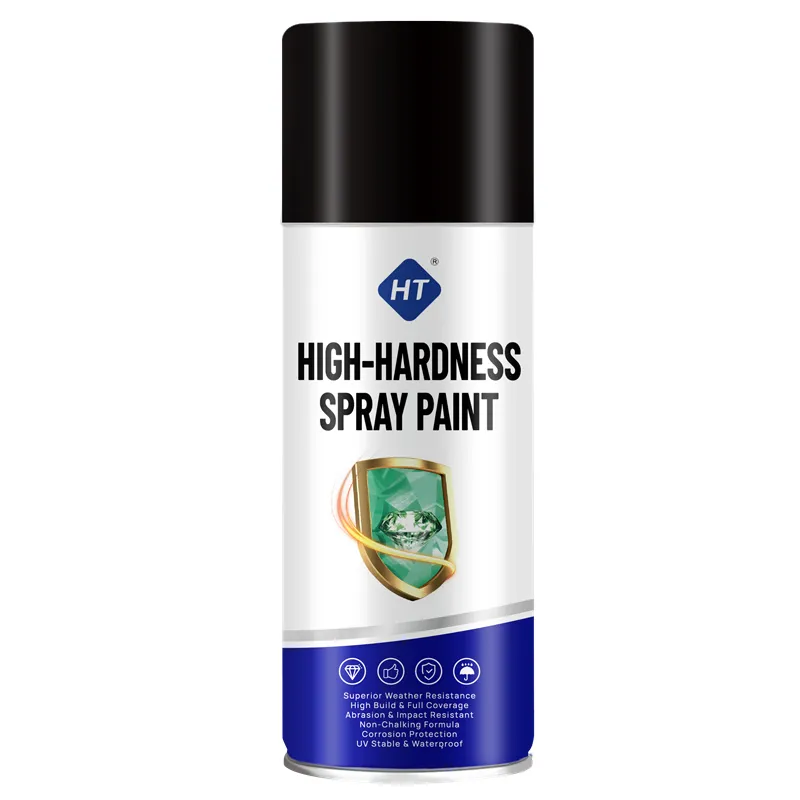
Even experienced painters make spray paint mistakes that lead to wasted materials and poor finishes. This guide covers the 10 most common errors and how to avoid them, whether you are working on a home DIY project or managing an industrial coating operation.
Mistake 1: Skipping Surface Preparation
The number one cause of paint failure is inadequate surface preparation. Always clean, degrease, and sand the surface before painting. For metal, remove rust with a wire brush or chemical converter. For wood, fill holes and sand smooth. For plastic, use a plastic adhesion promoter.
Mistake 2: Painting in Wrong Weather
Temperature and humidity directly affect paint performance. The ideal range is 10-30C (50-85F) with humidity below 65%. Painting in direct sunlight causes the surface to be too hot, leading to fast drying and poor adhesion. Painting in cold weather slows drying and increases the risk of runs.
Mistake 3: Holding the Can Too Far
Spraying from too far away causes dry spray and poor coverage. The optimal distance is 8-12 inches (20-30cm) for most aerosol paints. Too close causes drips and pooling. Practice on cardboard to find the sweet spot for your specific paint and nozzle.
Mistake 4: Applying Too Thick
Thick coats trap solvent, cause runs, and lead to cracking. Apply 2-3 thin coats instead of one heavy coat. Allow 5-10 minutes flash time between coats. For industrial applications, film build should be measured with a wet film thickness gauge.
Mistake 5: Not Shaking the Can Enough
Shake the can vigorously for 2-3 minutes after you hear the mixing ball start rattling. Insufficient shaking leads to inconsistent color, poor atomization, and clogged nozzles. For large projects, consider using a paint shaker for uniform mixing.
Mistake 6: Using the Wrong Primer
Not all primers work with all topcoats. Use a primer designed for your specific substrate and topcoat type. For example, epoxy primers are ideal for metal, while lacquer primers work best for wood. Always test compatibility on a small area first.
Mistake 7: Ignoring Flash Time
Applying the next coat before the previous one has flashed off traps solvent and causes bubbling. Follow the manufacturer's recommended flash time, which is typically 5-15 minutes depending on temperature and humidity.
Mistake 8: Spraying in One Direction
Always spray in smooth, overlapping passes. Start spraying before the surface and continue past it. Use a consistent sweeping motion at 50% overlap. This ensures even coverage and prevents heavy spots.
Mistake 9: Not Testing First
Always test spray on a hidden area or cardboard before applying to the final surface. This helps you check the spray pattern, color, and coverage. Adjust your technique before committing to the visible surface.
Mistake 10: Skipping Clear Coat
For projects that need durability, apply a clear coat over the base color. Clear coats add UV protection, chemical resistance, and scratch resistance. Choose between gloss, satin, or matte clear coats depending on your desired finish.
Frequently Asked Questions
Q: How long should I wait between spray paint coats? A: Wait 5-15 minutes between coats in normal conditions (15-25C, below 65% humidity). In hot or dry conditions, wait longer. The paint should be tacky but not wet.
Q: Can I spray paint indoors? A: Yes, but ensure proper ventilation. Open windows and use a fan to exhaust fumes. Wear a respirator rated for organic vapors. For industrial indoor painting, use a spray booth with proper filtration.
Q: What is the best spray paint for beginners? A: Start with a general-purpose enamel spray paint. It has a forgiving application window, dries reasonably fast, and provides good coverage. Avoid specialty finishes until you have mastered basic technique.