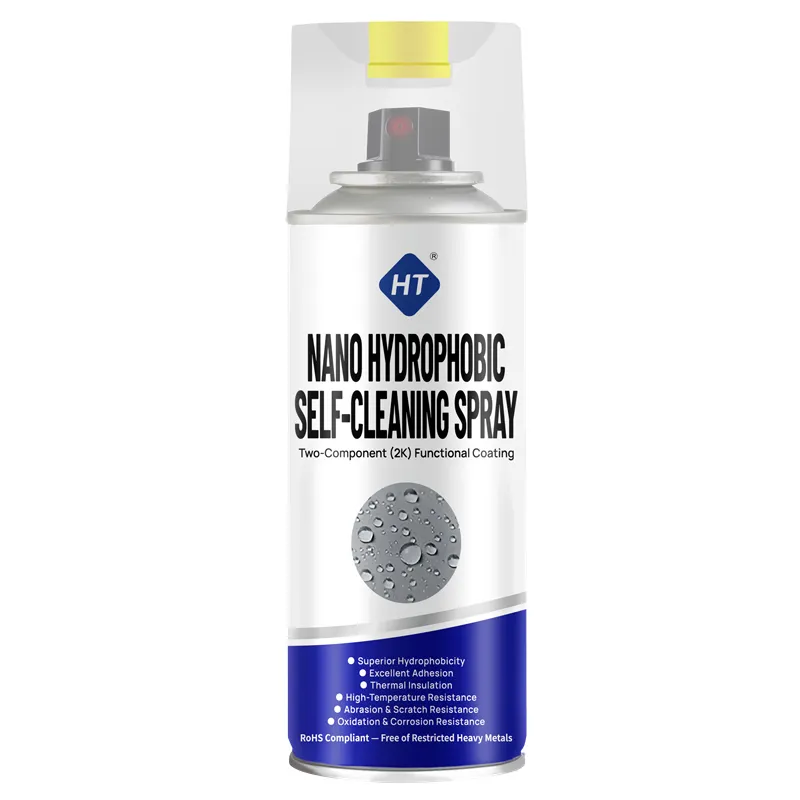
What Is Nano-Hydrophobic Coating?
Nano-hydrophobic coating is a liquid-applied surface treatment that creates a nanoscale barrier on surfaces. This barrier repels water, oil, and most liquids, preventing them from sticking to the surface. The coating mimics the lotus leaf effect, where water beads up and rolls off, carrying away dirt and contaminants. The result is a self-cleaning surface that stays cleaner longer and resists corrosion, staining, and ice buildup.
How Nano-Hydrophobic Coatings Work
The coating contains nanoparticles (typically 10-100 nanometers) that bond to the surface at the molecular level. These nanoparticles create a microscopic texture that reduces surface energy. When water contacts the surface, it beads up and rolls off rather than spreading out. The low surface energy also prevents oil, dirt, and biological contaminants from adhering. Unlike wax-based sealers, nano coatings chemically bond to the surface and last 6-24 months depending on exposure conditions.
Key Industrial Applications
Marine and offshore: Anti-corrosion protection for ship hulls, offshore platforms, and marine equipment. Prevents biofouling and reduces drag. Anti-icing coatings for aircraft, wind turbines, and power lines in cold climates. Construction: Self-cleaning facades, anti-graffiti coatings, and water-repellent concrete sealers. Automotive: Paint protection, anti-fog mirrors, and corrosion-resistant undercoatings. Electronics: Waterproof coatings for circuit boards, connectors, and sensors.
Application Process
Clean the surface thoroughly to remove all oils, dirt, and loose particles. Apply the coating evenly using spray, dip, or wipe method. Allow 5-10 minutes for the coating to bond. Wipe off excess with a clean microfiber cloth. For best results, apply 2 thin coats rather than 1 thick coat. Curing takes 24-48 hours for full performance. The coating works on metal, glass, plastic, ceramic, and painted surfaces.
Nano Coating Performance Comparison
Water contact angle: Standard paint 60-80 degrees. Nano coating 150-170 degrees (superhydrophobic). Durability: Wax sealers 1-3 months. Nano coatings 6-24 months. Ceramic coatings 2-5 years. Chemical resistance: Nano coatings resist mild acids, alkalis, and solvents. Not suitable for strong acid or alkali exposure. Temperature range: Most nano coatings perform between -40C to 200C. Specialized formulations extend to 400C.
Nano Coating FAQ
Q: How long does nano-hydrophobic coating last? A: Typically 6-24 months depending on exposure conditions. Outdoor marine environments may require reapplication every 6 months. Indoor applications can last 2+ years.
Q: Can nano coating be applied over existing paint? A: Yes, nano coatings bond to most painted surfaces. Ensure the paint is fully cured (24-48 hours) and clean before application.
Q: Is nano coating safe for food contact surfaces? A: Most nano coatings are not food-safe. Check the specific product datasheet. Food-grade nano coatings exist but require NSF registration.
Q: Does nano coating prevent rust? A: Yes, by preventing water contact, nano coatings significantly slow corrosion. They are not a substitute for proper anti-corrosion primer in harsh environments.
Q: How do you remove nano coating? A: Most nano coatings cannot be removed with solvents. Abrasive polishing or sanding is required to fully strip the coating.