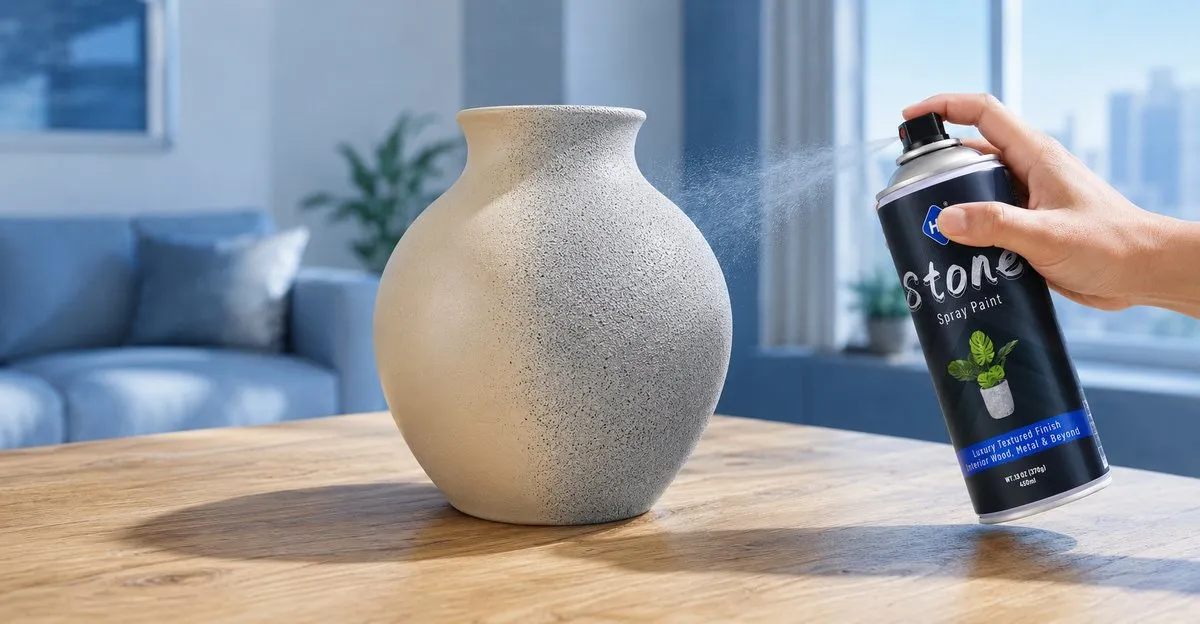
Viral spray paint hacks work because of real chemistry: alcohol creates marbling through differential surface tension, soap creates texture through thermal expansion, and oven baking accelerates crosslinking. OEMs use these same principles in production.
The Alcohol Marble Hack (Why It Works)
The viral alcohol-and-paint marbling trick works because isopropyl alcohol has lower surface tension than spray paint. When you spray paint onto a surface and drip alcohol onto it, the alcohol pushes the paint away creating organic marble patterns. OEM perspective: We use this principle in production to create special-effect coatings. Controlled surface tension differentials produce consistent patterns. For DIY: 91% isopropyl alcohol works best. Spray paint first, let it tack for 30 seconds, then drip or spray alcohol from 6-8 inches.
The Oven Baking Hack (Why It Works)
Baking spray-painted items in a home oven (200F for 30 minutes) accelerates the crosslinking process. Air-dry paints can take 7 days to fully reach hardness. Heat curing drives off residual solvents and completes the chemical reaction in minutes. OEM perspective: Factory paint lines use 140-180F bake ovens. Home ovens at 200F achieve similar results. Warning: Only use for metal and ceramic items. Plastic can melt. And do not use the same oven for food afterward.
The Soap Texture Hack (Why It Works)
Spraying paint onto a surface with dish soap droplets creates a hammered/stone texture. The soap repels the paint, creating raised areas where soap was and recessed areas where paint adhered. OEM perspective: We use controlled versions of this to create anti-slip coatings and textured industrial finishes. For DIY: Apply small drops of dish soap to the surface, spray over it, let dry. The texture is permanent once cured.
Are these DIY hacks production-ready?
Most hacks produce inconsistent results. In production, we control temperature, humidity, application distance, and timing to get repeatable results. But the underlying chemistry is the same. If you are developing a product based on these effects, work with an OEM to create a controlled formulation.