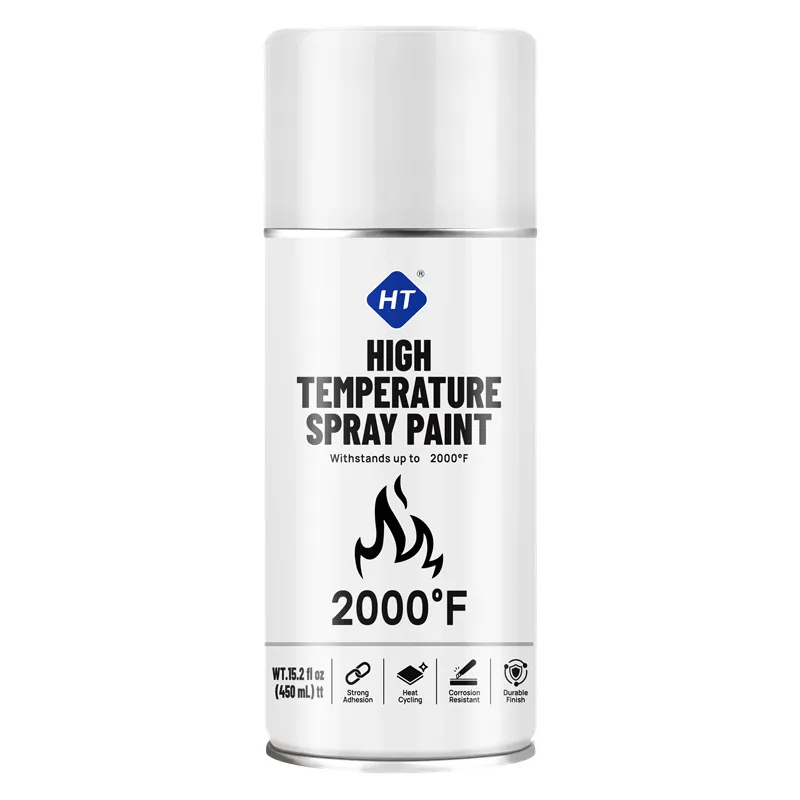
Why is the label part of the compliance file rather than the artwork file?
Because the label is the document a regulator, customs officer, or recall investigator actually reads. A perfect formula cannot rescue a can whose hazard statement is missing or mistranslated.
Three rule sets apply at once, and each has its own marks:
- Chemical hazard communication, via CLP in the EU and GHS-aligned rules elsewhere.
- Consumer product safety, which governs things like signal words and net content in some markets.
- Transport, which covers the carton rather than the can, but depends on the same classification.
Treat approved label text as regulatory content under version control: marketing owns the brand block, compliance owns the rest, and a reprint references the last approved text rather than the last PDF anyone sent.
What must appear on the can itself?
A core set that travels nearly everywhere, plus market specifics:
- Product identity and net content.
- Batch code and, where required, a date code for traceability.
- Manufacturer or importer with an address - in the EU and UK the responsible person, and it must be current.
- Hazard pictogram, signal word, and the hazard and precautionary statements, in the language of the market.
- The aerosol warning set: pressurised container, protect from sunlight and do not expose above 50 degrees Celsius, do not pierce or burn even after use, keep away from sources of ignition, no smoking, keep out of reach of children, and do not spray on a naked flame.
That aerosol warning set is prescribed, not improvised. Use the approved text per market rather than a house paraphrase, and have translations reviewed by someone who knows the local regulatory phrasing.
How are aerosols classified, and why does it matter for the label?
Aerosols sit in their own hazard category, separate from flammable liquids:
- H222, extremely flammable aerosol, or H223, flammable aerosol, depending on the flammability and heat of combustion of the contents.
- H229, pressurised container: may burst if heated. This applies to aerosols generally, so it belongs on virtually every can.
The precautionary statements follow from that classification: keep away from heat, sparks and open flames; do not spray on an open flame; do not pierce or burn, even after use; protect from sunlight and do not expose to temperatures above 50 degrees Celsius.
The classification also fixes the transport paperwork. A label that calls the product flammable while the SDS says otherwise is the mismatch inspectors find first, so generate label, SDS, and transport documents from one classification sheet per SKU.
What changes from market to market?
More than most first-time exporters expect:
- EU and UK: a responsible person established in the territory, local official language, and the product safety obligations that came with the GPSR in December 2024.
- United States: GHS-aligned workplace labelling, consumer hazard conventions, net contents in metric and US customary units, and state chemical warnings such as California's where they apply.
- Canada: English and French on the same label.
- Mexico, Argentina, Chile: Spanish, with local standards and, in some cases, registration duties.
- Gulf markets: Arabic, often alongside English, with market-specific conformity marks.
- Brazil: Portuguese. Japan, Korea, Vietnam, Thailand: local language plus local chemical control rules.
The practical approach: one core artwork with a market-specific back panel, translated once per language and then locked. Do not let a distributor's designer retype hazard statements.
Which packaging decisions should be settled early?
Five that quietly drive both cost and compliance:
1. Can format: lithographed or sleeved, and the diameter and height that carry your label text legibly.
2. Closure: the cap style, and whether the market requires any child-safety feature for your classification.
3. Carton and transport marks: the aerosol class, UN number, limited-quantity mark where used, orientation arrows, and handling marks.
4. Limited-quantity limits: maximum product per inner packaging and per package determines cans per carton and cartons per pallet. Agree it with your forwarder before printing, because it changes packaging cost and container loading.
5. Retail format: shelf-ready displays, barcodes for retail scanning, and pallet configuration.
Each of the first four can force an artwork or packaging change. Deciding them after the print run is the expensive order of operations.
What should a buyer lock down before the first print run?
A pre-press checklist that prevents most label failures:
- A classification sheet per SKU, signed off, from which label, SDS, and transport documents are all generated.
- Approved label text per market, with the reviewer named - regulatory review, not only translation.
- A proof read against the approved text. Typos in hazard statements are the most common defect and they survive visual checks.
- Net content verified against actual fill volume, since short fill is a legal exposure, not only a customer complaint.
- Responsible person or importer details confirmed and monitored, because addresses and entities change.
- Version control on the artwork, so a routine reprint cannot silently drop a statement.
Finally, schedule a periodic review: chemical regulations update, and a label approved three years ago may not be compliant today.