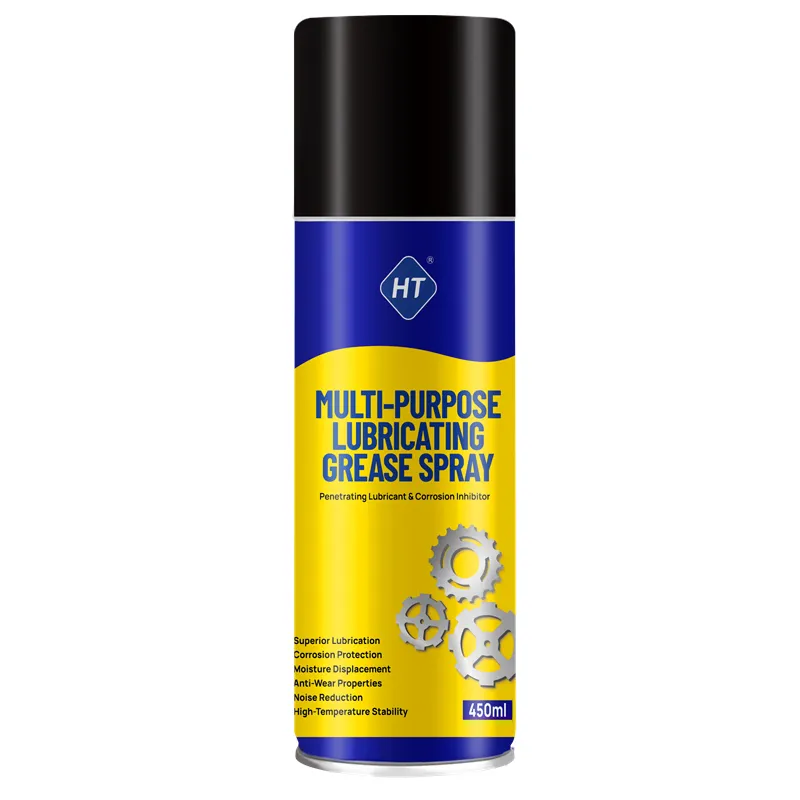
Why Proper Chain Lubrication Matters
Industrial chains are the backbone of manufacturing and material handling systems. Proper lubrication reduces friction, prevents wear, extends chain life, and reduces downtime. A well-lubricated chain can last 3-5 times longer than a dry chain. Aerosol chain lubricants offer the convenience of easy application, deep penetration into chain pins and bushings, and uniform coverage.
Types of Chain Lubricants
Penetrating chain lubes: Low-viscosity oils that seep into chain pins and bushings. Best for initial lubrication and maintenance. High-temperature chain lubes: Formulated with solid lubricants like graphite or moly for applications above 200C. Food-grade chain lubes: NSF H1 registered for food processing environments. Extreme pressure chain lubes: Contain EP additives for heavy-load applications.
Application Techniques
Apply lubricant to the inner side of the chain while it is running slowly. This ensures even distribution. Hold the can 6-8 inches from the chain. Apply in short bursts, not a continuous spray. Allow the lubricant to penetrate for 5-10 minutes before running the chain at full speed. Wipe off excess lubricant to prevent dirt attraction.
Lubrication Frequency by Application
Conveyor chains: Lubricate every 40-80 hours of operation. Drive chains: Lubricate every 20-40 hours. High-speed chains: Lubricate every 8-12 hours. Oven/dryer chains: Lubricate every 8-24 hours depending on temperature. Outdoor chains: Lubricate after rain or washing. In dusty environments: Lubricate more frequently and use dry-film lubricants.
Common Chain Lubrication Mistakes
Over-lubrication: Causes drip loss, dirt attraction, and wasted product. Under-lubrication: Causes accelerated wear and chain stretch. Wrong lubricant type: Using standard oil on high-temperature chains causes burning and carbon buildup. Inconsistent application: Skipping lubrication leads to uneven wear. Never lubricate a cold chain in freezing conditions.
Choosing the Right Chain Lubricant
For general manufacturing chains: Use a penetrating chain lube with EP additives. For high-temperature chains: Use graphite or moly-based dry lubricants. For food processing: Use NSF H1 registered food-grade chain lube. For outdoor chains: Use a water-resistant, corrosion-inhibiting lubricant. For precision chains: Use a light penetrating oil that does not attract dust.
Chain Maintenance Best Practices
Clean the chain before lubricating to remove dirt and old lubricant buildup. Use a chain cleaner or degreaser for thorough cleaning. Inspect chain tension and alignment during lubrication. Replace chains when they have stretched 2-3%. Keep records of lubrication schedule for preventive maintenance planning.
Chain Lubrication FAQ
Q: How often should I lubricate industrial chains? A: Typical interval is every 40-80 operating hours. High-speed or heavy-load chains may need lubrication every 8-20 hours.
Q: What is the best lubricant for high-temperature chains? A: Use dry-film lubricants with graphite or molybdenum disulfide. These can withstand temperatures up to 450C.
Q: Can I use WD-40 as a chain lubricant? A: No, WD-40 is a penetrant and water displacer, not a lubricant. It will not provide long-term chain lubrication.
How does aerosol chain lube compare to drip oil?
Aerosol provides better penetration into chain pins and more uniform coverage, but may cost more per application.
Is chain lubricant safe for food processing?
Only use NSF H1 registered food-grade chain lubricants in food processing environments.