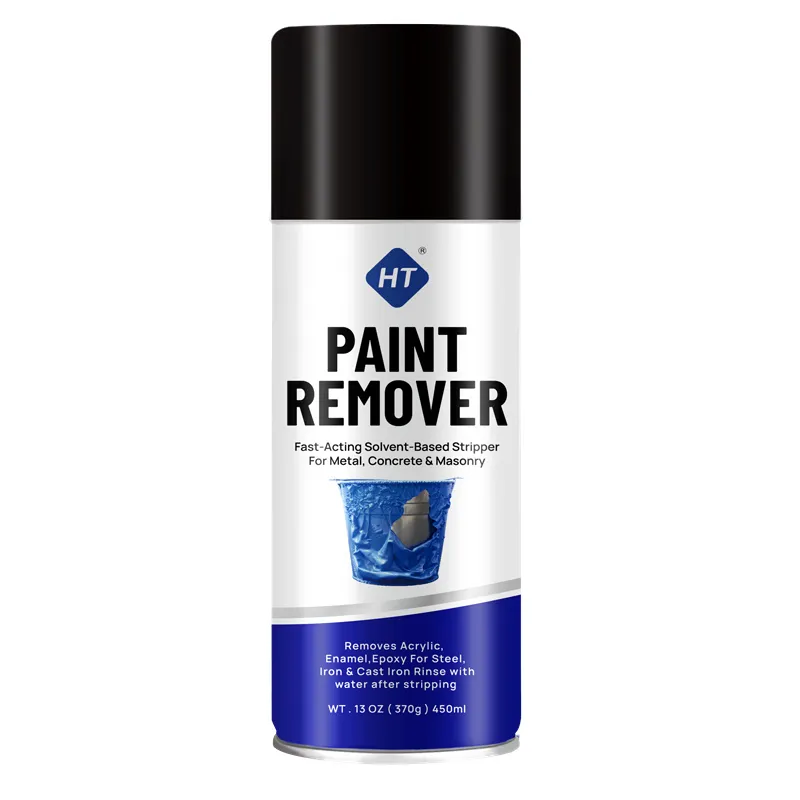
Are empty aerosol cans hazardous waste?
It depends on how the can is treated after use. This distinction determines your legal obligations:
Aerosol cans that still contain product residue or propellant are hazardous waste under most regulatory frameworks. In the U.S., RCRA (Resource Conservation and Recovery Act) classifies unemptied aerosol cans as hazardous waste because the propellant (typically flammable hydrocarbon gas) exhibits the characteristic of ignitability. In the EU, the Waste Framework Directive and the CLP Regulation govern aerosol waste classification.
However, cans that are completely emptied (no product residue, no propellant pressure) are generally NOT hazardous waste. The U.S. EPA finalized the Aerosol Cans Rule (July 2019, effective February 2020) that allows punctured and drained cans to be classified as non-hazardous waste, meaning they can be recycled as scrap metal.
The critical distinction for compliance: an aerosol can becomes non-hazardous only after it is punctured, drained, and verified empty. Simply spraying the can until nothing comes out does not make it non-hazardous — residual pressure and product remain.
Under RCRA's newer Subpart P rule for pharmaceutical hazardous waste (or the more relevant universal waste rule for aerosols adopted by many states), generators can manage punctured cans as universal waste or non-hazardous waste. Many U.S. states have adopted the federal Aerosol Cans Rule; some have stricter requirements. Always check state-specific rules.
What are the legal options for disposing of aerosol cans?
Four compliant disposal routes exist, each with different cost and requirements:
Option 1 — Puncture and drain (recommended): Use an aerosol can puncturing device that punctures the can, captures the residual product, and filters the propellant gas. After verified emptying, the can becomes scrap metal and can be recycled. The residual product is collected and disposed as hazardous waste (small quantity). Puncture devices cost $200-1,500 depending on capacity. This is the most common approach for businesses generating aerosol waste.
Option 2 — Hazardous waste pickup: Contract with a licensed hazardous waste hauler to collect and dispose of unemptied cans. Cost: $200-1,000 per pickup depending on volume and your region. No on-site equipment needed but higher recurring cost and more paperwork (waste manifests).
Option 3 — Product stewardship programs: Some manufacturers and retailers operate take-back programs for their aerosol products. Check with your supplier. Huotian (like most OEM manufacturers) does not operate a global take-back program — the obligation sits with the waste generator.
Option 4 — Municipal household hazardous waste (HHW): For consumer end users, most municipalities accept aerosol cans at HHW collection events. This is the right answer for end consumers, not for commercial generators. Businesses cannot use household programs for commercial waste.
B2B note for importers: your compliance obligation starts at your warehouse. If you store unemptied aerosol returns, damaged cans, or expired inventory, you are a hazardous waste generator and must comply with your jurisdiction's generator requirements.
Can aerosol cans be recycled as scrap metal?
Yes, but only when properly prepared. Here is what recycling facilities require:
Steel aerosol cans (most common): After puncturing and draining, the steel can body is recyclable. Steel is infinitely recyclable and aerosol cans are accepted by most metal recyclers when verified empty. The can must be completely emptied — recyclers reject cans that hiss or contain visible product.
Aluminum aerosol cans: Also recyclable after emptying. Aluminum cans have higher scrap value. The challenge is that some aerosol products use a plastic or mixed-material valve that must be removed or is tolerated in small quantities.
Critical preparation steps before recycling: (1) Puncture the can to relieve all pressure. (2) Drain all liquid product into a collection container. (3) Confirm the can is empty by shaking — no liquid sloshing. (4) Remove the plastic spray nozzle if possible (small quantities are tolerated). (5) Place punctured cans in the metal recycling bin.
Important: Never recycle cans that contain propellant pressure. They can explode during the shredding or compacting process at recycling facilities. This is a real safety hazard — recycling plants have experienced fires and explosions from pressurized cans.
The EPA estimates 600 million aerosol cans are recycled annually in the U.S. Aerosol cans are one of the most recyclable packaging forms when the product is fully used — the empty steel can is valuable scrap.
What should B2B importers know about aerosol can end-of-life in their market?
Importers face three end-of-life obligations that are frequently overlooked:
1. Product labeling: Most jurisdictions require aerosol cans to display disposal instructions. The U.S. requires the statement 'Do not puncture or incinerate' or similar language. The EU requires disposal instructions under the CLP regulation. Check your label compliance before shipping — an unlabeled disposal instruction is a labeling violation.
2. Extended Producer Responsibility (EPR): Several jurisdictions are moving toward EPR schemes where producers and importers fund recycling infrastructure. France (via CITEO/Adelphe), Germany, and some Canadian provinces have packaging EPR. The EU's Packaging and Packaging Waste Regulation (PPWR) will require all packaging to be recyclable by 2030. Importers should track EPR registration requirements in their markets.
3. Damaged and returned goods: Plan your process for handling damaged cans in transit (leaking, dented, or rusted cans). These are hazardous waste. Have a contract with a licensed waste hauler BEFORE you receive your first container — you do not want to be stuck with a pallet of leaking aerosol cans and no disposal route.
Practical advice for importers: (1) Keep your import volumes and waste generation records. (2) Contract a puncture-and-drain service or invest in your own puncturing equipment if you handle large volumes of returns. (3) Verify your distributor and retail partners have disposal instructions on product labels and at point of sale where required.