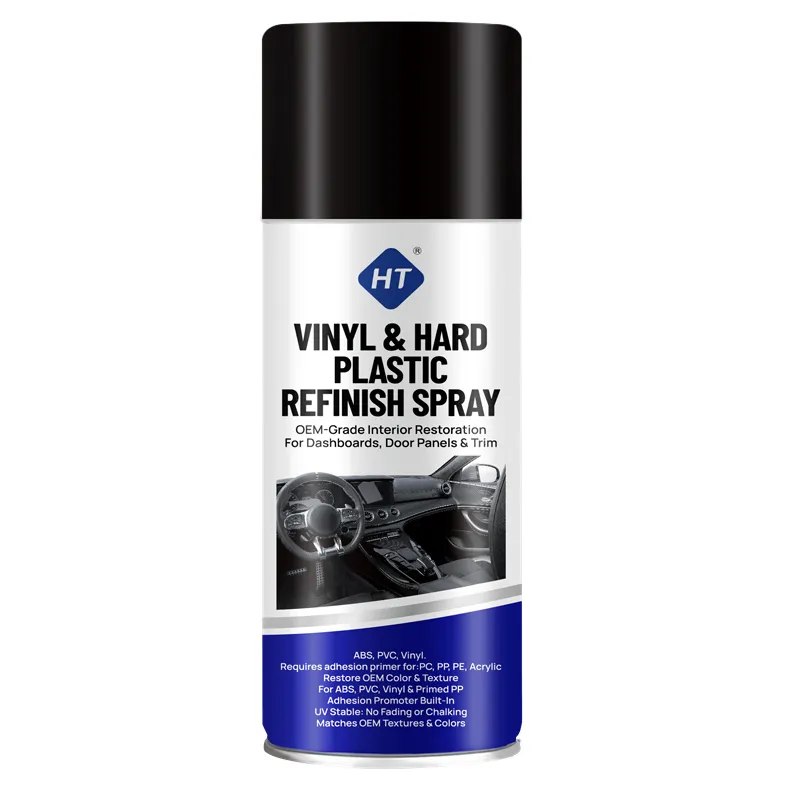
What Is Rubber Coating Spray Paint?
Rubber coating spray paint is a liquid rubber compound that dries to a flexible, rubber-like film. Unlike traditional paint, rubber coating bends and flexes with the surface without cracking. It provides waterproofing, impact resistance, vibration damping, and electrical insulation. Common applications include tool handles, automotive undercarriages, marine equipment, and industrial machinery.
Key Benefits of Rubberized Coatings
Waterproofing: Rubber coatings create a seamless waterproof barrier that protects against moisture, rain, and immersion. Impact resistance: The rubber layer absorbs impacts and prevents damage to the underlying surface. Chemical resistance: Rubber coatings resist oils, fuels, and many industrial chemicals. Vibration damping: The rubber layer absorbs vibration, reducing noise and preventing fatigue cracking.
Common Applications
Tool handles: Provides grip and impact protection. Automotive undercarriages: Protects against road debris, salt, and moisture. Marine equipment: Waterproofs chains, anchors, and deck hardware. Electrical insulation: Coats wires and connections for moisture protection. Industrial machinery: Dampens vibration on housings and frames. Consumer products: Phone cases, grip surfaces, and protective coatings.
Application Process
Clean the surface thoroughly and remove all rust, oil, and loose paint. Apply a compatible primer if needed. Shake the can vigorously for 2 minutes. Apply 3-4 thin coats, allowing 30 minutes between coats. For thicker rubber build-up, apply 5-6 coats. Allow 24 hours full cure before handling. The coating can be peeled off if temporary protection is needed.
Choosing the Right Rubber Coating
For waterproofing: Use a liquid rubber sealant with UV stabilizers. For grip: Use a textured rubber coating with added friction. For chemical resistance: Use a neoprene-based rubber coating. For electrical insulation: Use a dielectric rubber coating rated for your voltage. For temporary protection: Use a peelable rubber coating that can be removed.
OEM Rubber Coating Solutions
For B2B buyers, rubber coatings offer high value-add for industrial and consumer markets. Huotian formulates rubber coatings in multiple chemistries: natural rubber for general use, neoprene for chemical resistance, and silicone for high-temperature applications. We offer custom formulations for specific flexibility, hardness, and chemical resistance requirements.
Frequently Asked Questions
Q: How thick is rubber coating spray paint? A: Each coat adds approximately 0.1-0.2mm thickness. For heavy-duty protection, apply 5-6 coats for 0.5-1mm total thickness.
Q: Can rubber coating be removed? A: Yes, peelable rubber coatings can be removed by peeling. Permanent rubber coatings require sanding or chemical removal.
Q: Is rubber coating waterproof? A: Yes, rubber coatings provide excellent waterproofing. They create a seamless, flexible barrier that resists water immersion.
Q: What surfaces can rubber coating be applied to? A: Rubber coating adheres to metal, wood, concrete, plastic, and glass. Proper surface preparation is essential for adhesion.
Q: How long does rubber coating last? A: With proper application, rubber coatings last 3-5 years outdoors and 5-10 years indoors. UV exposure is the primary degradation factor.