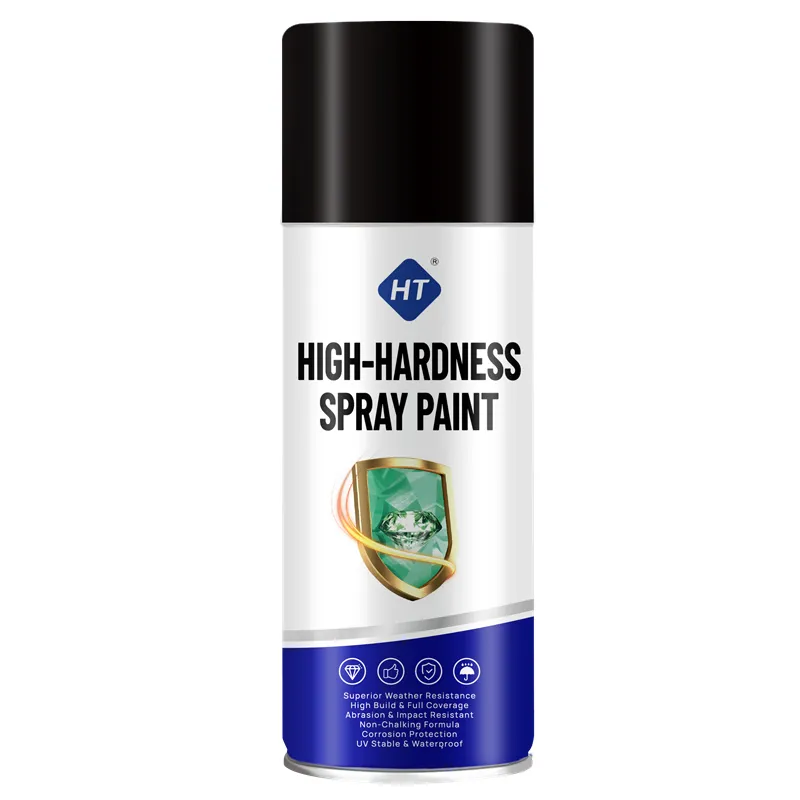
Spray paint defects are caused by three factors: application technique (distance, speed), environmental conditions (temperature, humidity), and formulation viscosity. Fixing these problems requires checking all three before blaming the product.
Problem 1: Orange Peel (Textured Surface)
Orange peel is the most common spray paint complaint. Instead of a smooth finish, the surface looks bumpy like orange skin. Causes include spraying too far from surface, low humidity or high temperature, high viscosity paint, or insufficient atomization. Fix by holding can 8-12 inches from surface, spraying in moderate humidity (40-60%), warming the can in warm water before use, and applying thin even coats.
Problem 2: Drips and Runs
Drips happen when paint is applied too thickly in one spot. Causes include can held too close, slow arm speed, multiple coats without adequate drying time, or low viscosity paint. Fix by maintaining consistent arm speed and waiting 2-3 minutes between coats.
Problem 3: Fisheyes (Crater-Like Divots)
Fisheyes are small circular holes in the dried paint film caused by contamination on the substrate -- usually silicone, oil, or wax. Fix by cleaning the surface thoroughly with isopropyl alcohol or automotive wax remover. Do not touch the surface with bare hands after cleaning.
Problem 4: Blistering (Bubbles in the Film)
Blisters are small bubbles in the paint film caused by moisture or solvent trapped under the film. Fix by applying thinner coats, allowing longer flash-off time between coats, and using force-drying for industrial applications.
Problems 5-7: Dry Spray, Yellowing, Poor Coverage
Dry spray looks dusty and will not bond to previous coat -- caused by spraying too far or in windy conditions. Yellowing happens to some clear coats due to UV exposure -- use UV-resistant formulations with HALS stabilizers. Poor coverage means more coats than expected -- check opacity specs on the TDS.
How do OEMs prevent spray paint defects in production?
OEMs use controlled spray booths with regulated temperature (70-80F) and humidity (50-70% RH). Operators are trained on standard distances and speeds. Regular spray pattern tests are done at the start of each shift. At Huotian, every batch is spray-tested on the target substrate and visually inspected under controlled lighting.