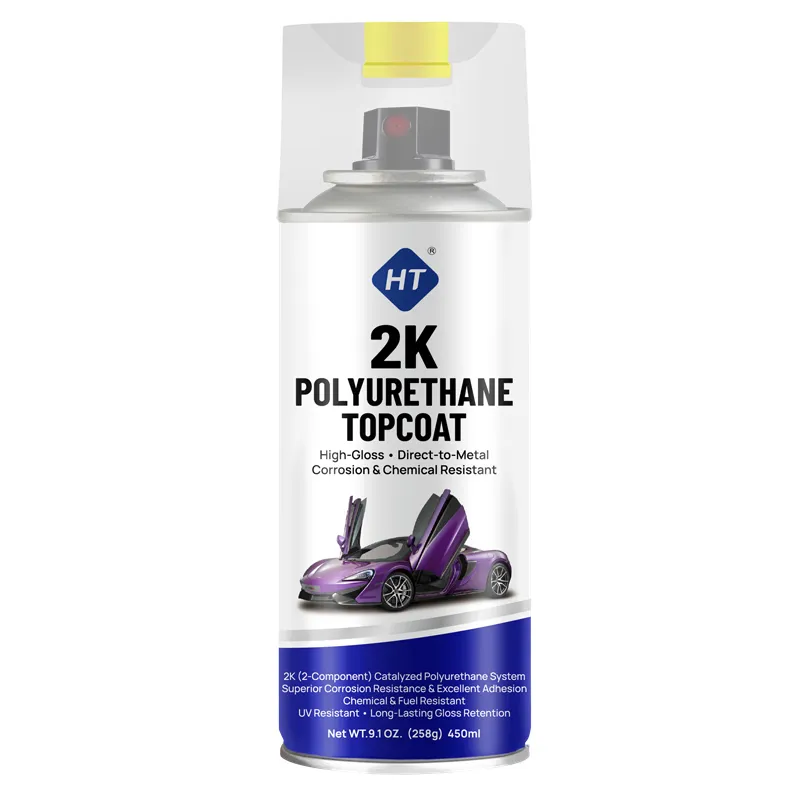
What Affects Spray Paint Drying Time?
Spray paint drying time depends on four main factors: temperature, humidity, coating thickness, and paint chemistry. Most aerosol spray paints are dry to the touch within 15-30 minutes at ideal conditions (20-25C, 50% humidity). However, full curing can take 24-48 hours. Understanding these factors helps you plan production schedules and avoid rework.
Temperature: The Most Critical Factor
At 20-25C (68-77F), spray paint dries in 15-20 minutes. At 10C (50F), drying time doubles to 30-40 minutes. Below 10C, paint may never dry properly and can develop blushing, runs, and poor adhesion. Above 35C (95F), the solvent evaporates too quickly, causing dry spray, orange peel, and poor flow. Always check the product label for the recommended temperature range.
Humidity: The Hidden Factor
High humidity (above 70%) slows solvent evaporation and can cause blushing, a milky white haze in the paint. Low humidity (below 30%) causes solvent to evaporate too fast, leading to dry spray and poor adhesion. The ideal humidity range for spray paint is 40-60%. In high-humidity conditions, use slower-evaporating solvents or add a drying accelerator.
Coating Thickness and Number of Coats
Thicker coats take much longer to dry than thin coats. A wet coat of 0.1mm may dry in 20 minutes, but a 0.3mm wet coat can take 1-2 hours. Multiple thin coats (2-3 coats of 0.1mm) dry faster than one thick coat of 0.3mm. Allow 15-20 minutes between coats for solvent flash-off. Rushing between coats is the most common drying time mistake.
Paint Chemistry Differences
Acrylic spray paints dry fastest (15-20 minutes to touch, 24 hours to cure). Enamel paints take longer to dry (30-60 minutes to touch, 48 hours to cure) but form a harder finish. Lacquer paints dry almost instantly (5-10 minutes) but require careful application. Polyurethane paints need 24 hours before handling and 7 days for full chemical resistance.
How to Speed Up Drying Time
Increase ventilation to remove solvent vapors from the workspace. Use a dehumidifier in humid conditions to maintain 40-60% humidity. Apply gentle heat with a space heater (keep below 35C). Use thinner coats with proper flash-off time between coats. For industrial production, consider bake cycles at 60-80C for 30 minutes for full cure.
How Temperature Affects Drying Time Table
Below 10C: Dry to touch in 60+ min, cure may never occur properly. 10-15C: Dry to touch 30-40 min, cure 48+ hours. 15-20C: Dry to touch 20-30 min, cure 36 hours. 20-25C: Optimal, dry to touch 15-20 min, cure 24 hours. 25-30C: Dry to touch 12-15 min, cure 20 hours. 30-35C: Dry to touch 8-12 min, dry spray risk increases. Above 35C: Not recommended, solvent flashes too quickly.
Drying Time FAQ for B2B Buyers
Q: How long after painting can I handle the product? A: Most spray paints are dry to touch in 15-30 minutes at 20-25C. Allow 24 hours before handling or packaging.
Q: Can I force dry spray paint with heat? A: Yes, gentle heat up to 35C speeds drying. For industrial lines, bake at 60-80C for 30 minutes for full cure.
Why is my spray paint still tacky after 24 hours?
Likely causes: too thick application, low temperature (below 10C), high humidity (above 70%), or incompatible paint chemistry.
Q: Does spray paint cure faster in direct sunlight? A: Sunlight adds heat which speeds evaporation, but UV can degrade paint before curing. Shade drying with good ventilation is better.
Q: What is the difference between dry and cure time? A: Dry time is when paint is dry to touch. Cure time is when the coating reaches full hardness, chemical resistance, and durability. Cure takes 24-48 hours or longer.