Why Paint Type Matters
Choosing between enamel, acrylic, and polyurethane paint is one of the most common questions in both DIY and professional painting. Each paint type has distinct chemical properties that affect durability, appearance, drying time, and application method. Understanding these differences ensures you select the right paint for your specific project.
What Is Enamel Paint?
Enamel paint is an oil-based or alkyd-based coating that dries to a hard, glossy finish. It provides excellent coverage, smooth appearance, and strong adhesion to metal, wood, and masonry. Enamel is known for its durability and resistance to moisture, chemicals, and wear. However, it has a strong odor, requires mineral spirits for cleanup, and takes longer to dry than water-based alternatives.
What Is Acrylic Paint?
Acrylic paint is water-based and dries quickly to a flexible, durable film. It offers excellent color retention, UV resistance, and adhesion to various surfaces including plastic, metal, and wood. Acrylic is easy to clean up with water, has low odor, and is available in a wide range of finishes. For spray applications, acrylic enamel combines acrylic durability with enamel hardness.
What Is Polyurethane Paint?
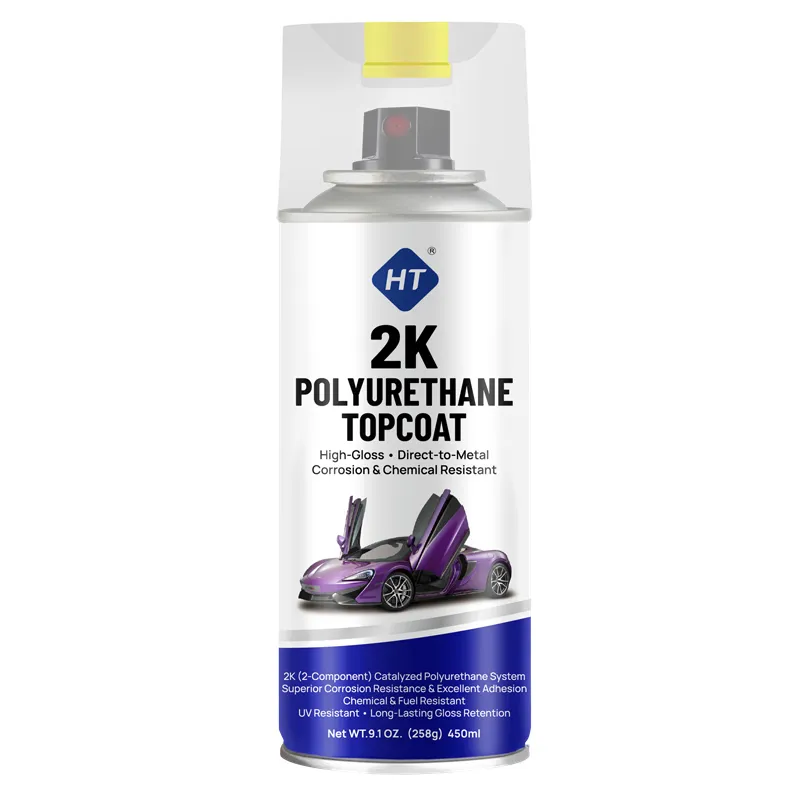
Polyurethane paint is a two-component coating (base + hardener) that provides the highest level of durability and chemical resistance. It is used in automotive, marine, and industrial applications where maximum protection is required. Polyurethane resists UV damage, chemicals, abrasion, and weathering better than enamel or acrylic. However, it requires proper mixing, has a longer pot life, and needs adequate ventilation during application.
Enamel vs Acrylic: Head-to-Head Comparison
Durability: Enamel is harder but more brittle. Acrylic is more flexible and resists cracking. Winner: Acrylic for outdoor, Enamel for indoor high-traffic. Drying Time: Enamel takes 4-8 hours to dry, 24-48 hours to cure. Acrylic dries in 15-30 minutes, cures in 24 hours. Winner: Acrylic. Chemical Resistance: Enamel resists mild chemicals and moisture. Acrylic resists UV but not strong solvents. Winner: Enamel for chemical exposure. Finish: Enamel provides a smoother, glossier finish. Acrylic can be matte, satin, or gloss. Winner: Enamel for gloss, Acrylic for versatility. Cleanup: Enamel requires mineral spirits. Acrylic cleans with water. Winner: Acrylic.
Acrylic vs Polyurethane: Head-to-Head Comparison
Durability: Acrylic is durable for general use. Polyurethane is the toughest available. Winner: Polyurethane. UV Resistance: Both resist UV well. Polyurethane has slightly better UV stability. Winner: Polyurethane (marginal). Application Ease: Acrylic is single-component, ready to spray. Polyurethane requires mixing and has a limited pot life. Winner: Acrylic. Cost: Acrylic is affordable and widely available. Polyurethane is more expensive due to formulation. Winner: Acrylic. Chemical Resistance: Acrylic resists mild chemicals. Polyurethane resists fuels, solvents, and industrial chemicals. Winner: Polyurethane.
Polyurethane vs Enamel: Head-to-Head Comparison
Durability: Enamel is hard but can chip under impact. Polyurethane flexes without cracking. Winner: Polyurethane. Chemical Resistance: Enamel resists water and mild chemicals. Polyurethane resists fuels, hydraulic fluids, and solvents. Winner: Polyurethane. Finish Quality: Both provide excellent gloss. Enamel may yellow over time with UV exposure. Polyurethane maintains clarity. Winner: Polyurethane. Application: Enamel is simpler to apply (single-component). Polyurethane requires mixing and temperature control. Winner: Enamel. Cost: Enamel is more affordable. Polyurethane costs 2-3x more. Winner: Enamel.
Which Paint Type Should You Choose?
Choose Enamel for: indoor furniture, cabinets, appliances, and projects requiring a smooth, hard finish with moderate durability. Choose Acrylic for: outdoor projects, plastic surfaces, quick-turnaround jobs, and applications requiring flexibility and UV resistance. Choose Polyurethane for: automotive, marine, industrial equipment, and applications requiring maximum chemical and abrasion resistance.
OEM Formulation Options
For B2B buyers, understanding these paint types helps specify the right product for your market. Huotian offers all three chemistries in our aerosol product range. We can formulate custom blends combining the benefits of each type, such as acrylic-polyurethane hybrids that balance cost and performance.
Frequently Asked Questions
Q: Is enamel or acrylic better for spray paint? A: Acrylic is better for outdoor use and flexibility. Enamel is better for indoor high-traffic areas requiring a hard, glossy finish.
Q: Can you spray polyurethane over enamel? A: Yes, but the enamel must be fully cured (24-48 hours). Lightly sand the enamel surface for better adhesion.
Q: Which paint type lasts longest outdoors? A: Polyurethane lasts longest (10+ years). Acrylic lasts 5-10 years. Enamel may chalk and fade in 2-5 years outdoors.
Q: What is the difference between acrylic enamel and acrylic urethane? A: Acrylic enamel uses acrylic resin with hardening agents. Acrylic urethane adds polyurethane components for enhanced chemical resistance and durability.
Q: Can you mix enamel and acrylic paint? A: No, they are chemically incompatible. Mixing causes poor adhesion, cracking, and finish defects. Always use one type consistently.