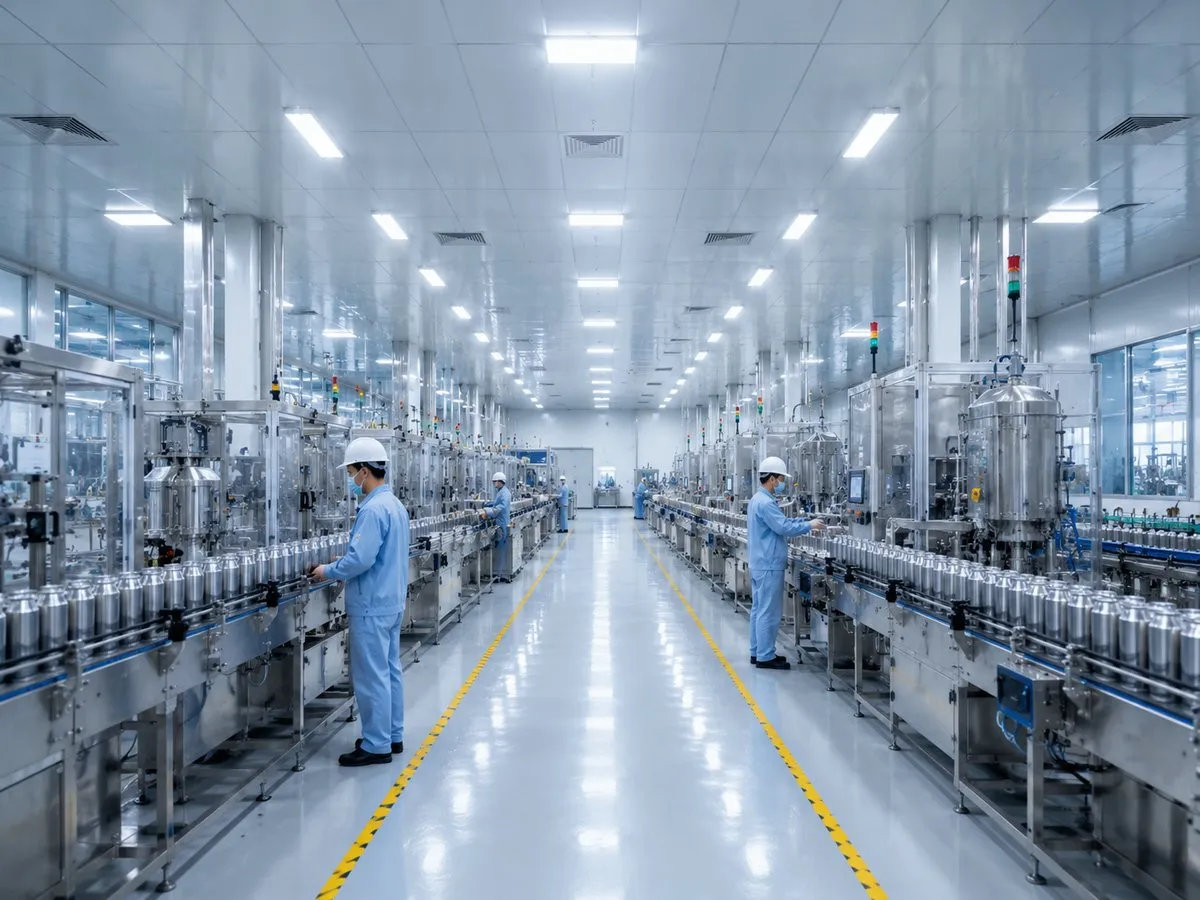
A thorough aerosol factory audit covers 7 key areas: production lines & capacity (check line speed, automation level, maintenance records), quality control systems (lab equipment, batch testing protocols, ISO documentation), raw material storage (temperature control, segregation, FIFO compliance), filling & packaging (propellant charging, leak testing, labeling accuracy), safety compliance (fire suppression, ventilation, PPE usage, UN dangerous goods handling), R&D capabilities (formulation lab, accelerated aging testing, color matching), and warehouse & logistics (FIFO rotation, export documentation readiness, container loading procedures). Score each area out of 10 and disqualify any factory scoring below 6 in production or QC.
Why should I audit an aerosol factory in person?
In China's aerosol industry, a factory visit reveals what photos and videos cannot. Here's what a physical audit catches:
• Equipment condition – Are the filling lines clean and well-maintained? Rusted or leaking equipment signals poor maintenance. • Housekeeping standards – Is the factory floor clean and organized? Spilled chemicals, blocked aisles, and overflowing waste bins indicate poor management. • Worker practices – Do workers wear proper PPE? Are they following standard operating procedures or taking shortcuts? • Inventory accuracy – Does the physical stock match the records? Discrepancies suggest poor inventory management. • Real production – Are they actually manufacturing, or just assembling samples for visitors?
Alibaba and trade fair meetings only tell you what the factory wants you to know. An audit tells you what they actually are.
What documents should I review before the audit?
Request these documents before scheduling your visit. A factory that cannot provide them promptly is already showing red flags:
• Business License – Verify the registered capital, business scope (must include aerosol manufacturing), and expiration date. • Export License – Confirms they are legally authorized to export. Cross-check with China Customs registration. • ISO 9001 Certificate – Quality management system certification. Check it's current and covers aerosol manufacturing specifically. • MSDS / SDS – Safety Data Sheets for their standard products. Confirm they're properly formatted to GHS standards. • UN 1950 Certificate – Dangerous goods packaging certification. Essential for international shipping of aerosol products. • Product Test Reports – Third-party lab reports (SGS, Intertek, TÜV) for product performance and safety testing. • Client References – Contact information for 2-3 existing OEM clients, preferably in your market region.
Pre-audit tip: Verify their business license number on China's National Enterprise Credit Information Publicity System (gsxt.gov.cn). This is free and reveals any legal disputes or abnormal operation status.
What should you inspect in the production area?
The production floor is the heart of any aerosol factory. Spend at least 60% of your audit time here.
Filling Lines: • Line speed – How many cans per minute? Modern lines run 40-80 cans/minute. Below 20 CPM suggests outdated equipment. • Automation level – Are filling, crimping, gassing, and checkweighing automated or manual? Automation reduces human error. • Propellant charging – Is the gassing room explosion-proof? Are propellant tanks properly labeled and secured? • Water bath – All filled aerosol cans must pass through a hot water bath (typically 50-55°C) to detect leaks. Check temperature and dwell time.
Quality Checkpoints: • Inline checkweighing – Every can should be weighed automatically. Reject mechanism for out-of-spec cans. • Crimp dimensions – Are crimp height and diameter checked regularly? Incorrect crimping causes leaks. • Actuator testing – Are spray buttons tested for proper fit and function before capping?
Production Records: • Batch production logs – Are they maintained in real-time or filled in at end of shift? • Maintenance logs – When were the filling heads last serviced? • Changeover procedures – How do they clean lines between different formulations to avoid cross-contamination?
How do you evaluate quality control systems?
Quality control in aerosol manufacturing should be a continuous process, not a final inspection. Here's what to check:
Incoming QC (Raw Materials): • Do they test incoming propellant, solvents, resins, and pigments? • Are raw material certificates of analysis (COA) kept on file? • Are rejected materials physically segregated from accepted stock?
In-Process QC: • Check frequency – How often do they sample from the production line? • Can integrity tests – Burst pressure, seam strength, and can deflection tests on empty cans. • Propellant weight checks – Random sampling throughout the production run. • Spray pattern and coverage tests – Are these done on every batch or just occasionally?
Finished Product QC: • Lab equipment – Do they have a dedicated QC lab? Look for: viscosity cups, gloss meters, impact testers, salt spray chambers, color spectrophotometers. • Batch hold time – How long do they hold finished goods before release? 24-72 hours is standard. • Retained samples – Do they keep samples from every batch? For how long? (Industry standard: 3-5 years.) • Third-party testing – How often do they send products to external labs for verification?
QC Personnel: • How many QC staff are on each shift? • What qualifications do they have? • Do QC staff report to production management or independently?
What safety and compliance red flags should I watch for?
Aerosol manufacturing involves flammable propellants, pressurized containers, and chemical formulations. Safety compliance is non-negotiable.
Must-Haves: • Fire suppression system – Automatic sprinklers or gas-based systems in all production and storage areas. • Explosion-proof electrical – All electrical fixtures in gassing areas must be rated for hazardous locations. • Ventilation – Adequate air exchange rate in filling rooms. You should not smell strong solvent odors. • Emergency exits – Clearly marked, unobstructed, and with emergency lighting. • PPE compliance – All workers wearing safety glasses, gloves, and appropriate footwear. Hearing protection in noisy areas. • First aid and eyewash stations – Readily accessible and stocked.
Red Flags (Any of these = Disqualify): ❌ Smoking or open flames near production areas ❌ Blocked fire exits or extinguishers ❌ Workers without basic PPE ❌ Improper storage of flammable waste ❌ Missing or expired safety permits ❌ No visible safety signage ❌ Reluctance to show certain areas of the factory
Pro tip: Schedule an unannounced visit on a different day after your main audit. A factory that looks great for visitors may look very different on an ordinary production day.
How do you assess R&D capabilities?
R&D capability is critical if you need custom formulations or color matching. Even for standard products, a strong R&D team means better quality optimization over time.
What to Look For: • Dedicated lab – A separate R&D laboratory, not just the QC lab. Look for formulation benches, stability testing equipment. • Formulation library – How many proven formulations do they have? A library of 200+ formulations indicates deep expertise. • Color matching – Do they have spectrophotometers and trained colorists for custom color matching? • Accelerated aging – Can they run heat cycling tests (typically 4-8 weeks at 50°C) to predict shelf life? • VOC analysis – Equipment to measure VOC content for regulatory compliance (REACH, CARB, etc.) • R&D team – How many chemists or formulation specialists? What are their backgrounds?
Ask These Questions: • How long does a typical custom formulation take? • Can you match a color from a physical sample? From a Pantone code? • What's your success rate for first-attempt color matches? • Do you charge separately for R&D, or is it included in the OEM price? • Can you modify existing formulations (change viscosity, drying time, gloss level) without full reformulation?
What about warehousing and logistics?
Warehousing and logistics capabilities directly affect your delivery reliability and product quality during transit.
Warehouse Inspection: • FIFO compliance – Are older products rotated to the front? Look at date codes on pallets. • Temperature control – Aerosol storage should be below 50°C. Is there temperature monitoring? • Aisle space – Adequate space between racks for movement and inspection. • Pallet condition – Are pallets in good condition? Damaged pallets cause can damage. • Segregation – Are finished goods separated from raw materials and waste?
Shipping & Export: • Dangerous goods documentation – Can they prepare UN 1950 shipping documents in English? • Container loading – Do they have experience loading aerosol containers? Blocking and bracing materials available? • Port proximity – Distance to nearest major port. Factories near Shenzhen/Yantian, Ningbo, or Shanghai have logistics advantages. • Freight forwarder relationships – Do they have preferred forwarders with experience shipping aerosols? • Label compliance – Can they produce labels in multiple languages meeting local regulatory requirements?
How does Huotian compare to these audit standards?
At Huotian Chemical, we welcome factory audits and encourage potential partners to verify our capabilities firsthand.
• Production: 6 automated production lines with line speeds up to 60 CPM. All lines pass through 55°C hot water leak testing with automated checkweighing. • Quality Control: Dedicated QC lab with spectrophotometer, viscosity cups, gloss meters, salt spray chamber, and accelerated aging facilities. Batch retention samples kept for 5 years. • Certifications: ISO 9001, UN 1950 dangerous goods packaging, full MSDS/SDS documentation for all products. REACH and CARB compliant formulations available. • R&D: In-house formulation lab with 10+ years of experience. 300+ proven formulations in our library. Custom color matching with Delta E < 1.0 precision. OEM development from concept to sample in 2-4 weeks. • Facility: 5,000㎡ modern factory with explosion-proof electrical systems, automatic fire suppression, and proper ventilation across all production areas. • Logistics: Located in Zhongshan, Guangdong, 90 minutes from Yantian International Port (Shenzhen). Full export documentation handling including UN 1950 declarations. Annual capacity of 1 million+ cans.
We believe the best partnerships start with transparency. Schedule a factory visit or request a virtual video tour to evaluate us against any audit checklist.